Development Of A Camera And Artificial Intelligence Equipped Rover…
Bangalore, India
2025, Senior, Interactive & Multimedia
Full Project Name: Development Of A Camera And Artificial Intelligence Equipped Rover For The Analysis And Investigation Of Bird Populations And Population Determining Variables
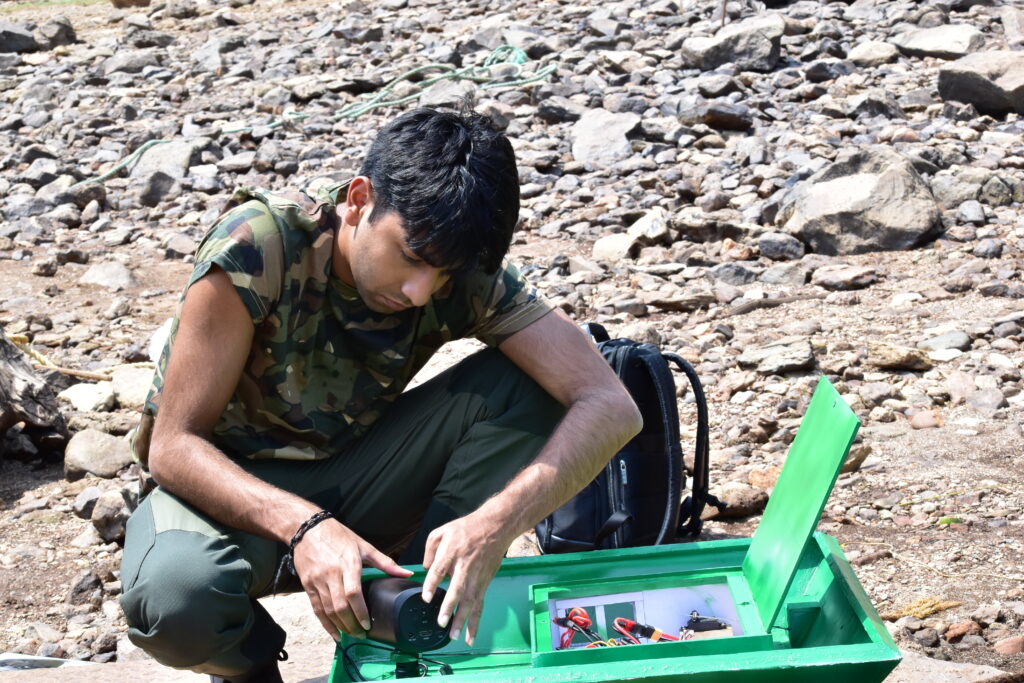
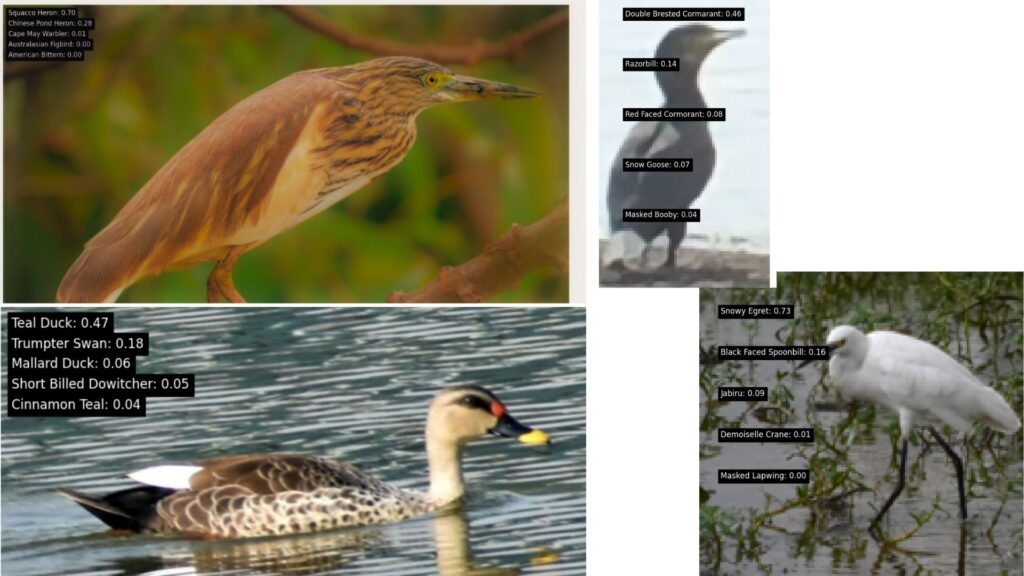
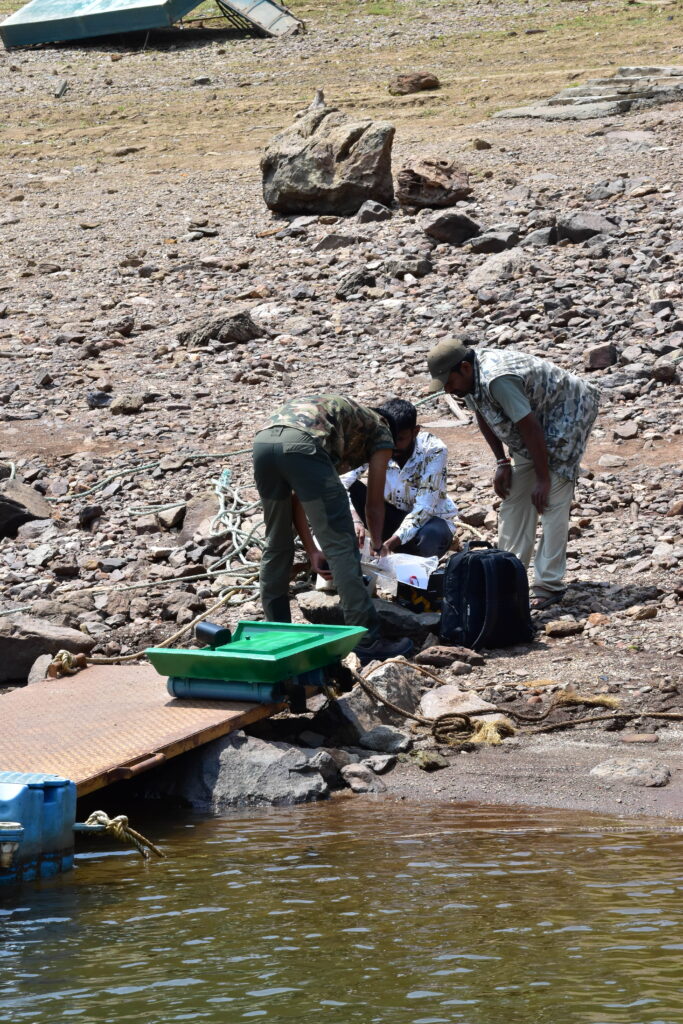
Project Description: Birds are not only one of the most magnificent creatures but also serve as crucial indicators of ecosystem health. However, bird populations are declining as habitats are being lost due to deforestation and rapid urbanisation, with humans interfering in marine and forest habitats. Yet, there is a lack of an efficient means of tracking bird population data to aid with conservation efforts and the analysis of bird species distribution. Conventional methods are heavily reliant on bird-watchers, with some innovative approaches including the use of stationary cameras, which limit the scope of detection. This research introduces a novel approach to addressing this problem, utilising a small, radio-controlled mobile platform (boat) equipped with cameras and AI detection algorithms to capture and store images of birds automatically. These images can then be classified with the help of AI classification algorithms, which have been specifically trained on birds found in India. By developing multiple prototypes, testing different cameras, and implementing various propulsion methods in order to minimise noise, the rover has been very specifically designed for this use case. By integrating computer vision, machine learning, and engineering, my rover provides a scalable solution for ornithological research and conservation efforts. This study further uses data from the device, collected at water bodies in Karnataka, to analyse habitat suitability and potential variables causing decline by using species distribution modelling (SDMs) with models like MaxEnt to help conservationists identify the requirements of particular bird species. This study provides an approach that makes the process of bird monitoring more systematic, effective, and scalable than existing methods. While this rover has currently been tested in river backwaters and lakes, the next step is making it usable in marine environments with slight structural changes. Birds are extremely sensitive to ecosystem changes, and monitoring their populations can help identify ocean threats such as plastic pollution, oil spills, or overfishing, simply by mapping their population distribution — which in turn can help reframe conservation goals. It can also be used by children since it can be operated using an RC remote, making it a vital interactive tool in marine education.
Reflection
This project is very dear to me because it stems from something very close to my heart—nature and birds. During the COVID-19 pandemic, I found myself with a lot of additional time. Hence, I began visiting a nearby lake as a getaway from the strict stay-at-home rules. It was like my haven, my beacon of hope during the most gruesome and tedious time of my life. I would spend time with my camera, capturing images of birds and the flora and fauna I adored. This is where my love for water habitats and the natural world surged and tripled in magnitude. However, once school began, due to our cumbersome coursework and exams, my visits to the lake grew infrequent and relatively scarce. There was even a period when I did not visit the lake for a month! And when I suddenly returned, imagine my surprise—so many bird species were missing! I was shocked and wanted to investigate. I spoke to my dad, who was part of the lake committee, and he helped me search for the cause behind this mysterious disappearance. Finally, after talking to some people, we learned that the release of an invasive pet fish into the lake was behind the loss of biodiversity in DevaraBisnahalli Lake. This is when I realized how sensitive bird populations are and began researching bird demographics online—unknowingly, my research had begun. I soon decided to take this upon myself and monitor bird populations so that conservationists could have the data they needed to save species—and this is how my work began. I spoke to some of my dad’s engineer friends to get advice and began planning out my boat. I’ve always loved engineering and robotics, and this project served as a medium for me to express my passion for the environment while making something impactful. My final message is this: there's so much more to the natural world than we realize at first glance, second glance, or even third glance. Connecting with nature is the only way we gain even the smallest understanding of the world’s processes and functionality. It is the only way for humanity to progress without inflicting mass destruction on the environment and our fellow inhabitants—the flora and fauna. Although this has been said numerous times before, it is time to take a stand. Time to protect the inhabitants of our motherland—Earth