Ocean Quest
Bengaluru, India
2026, Junior, Interactive & Multimedia
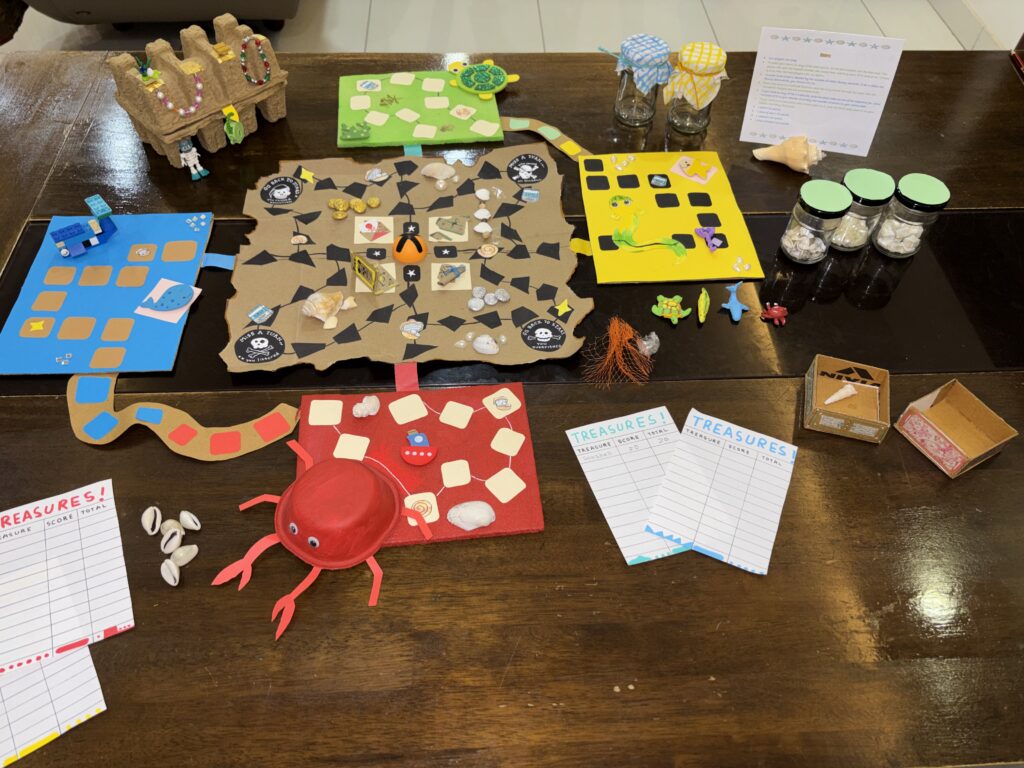
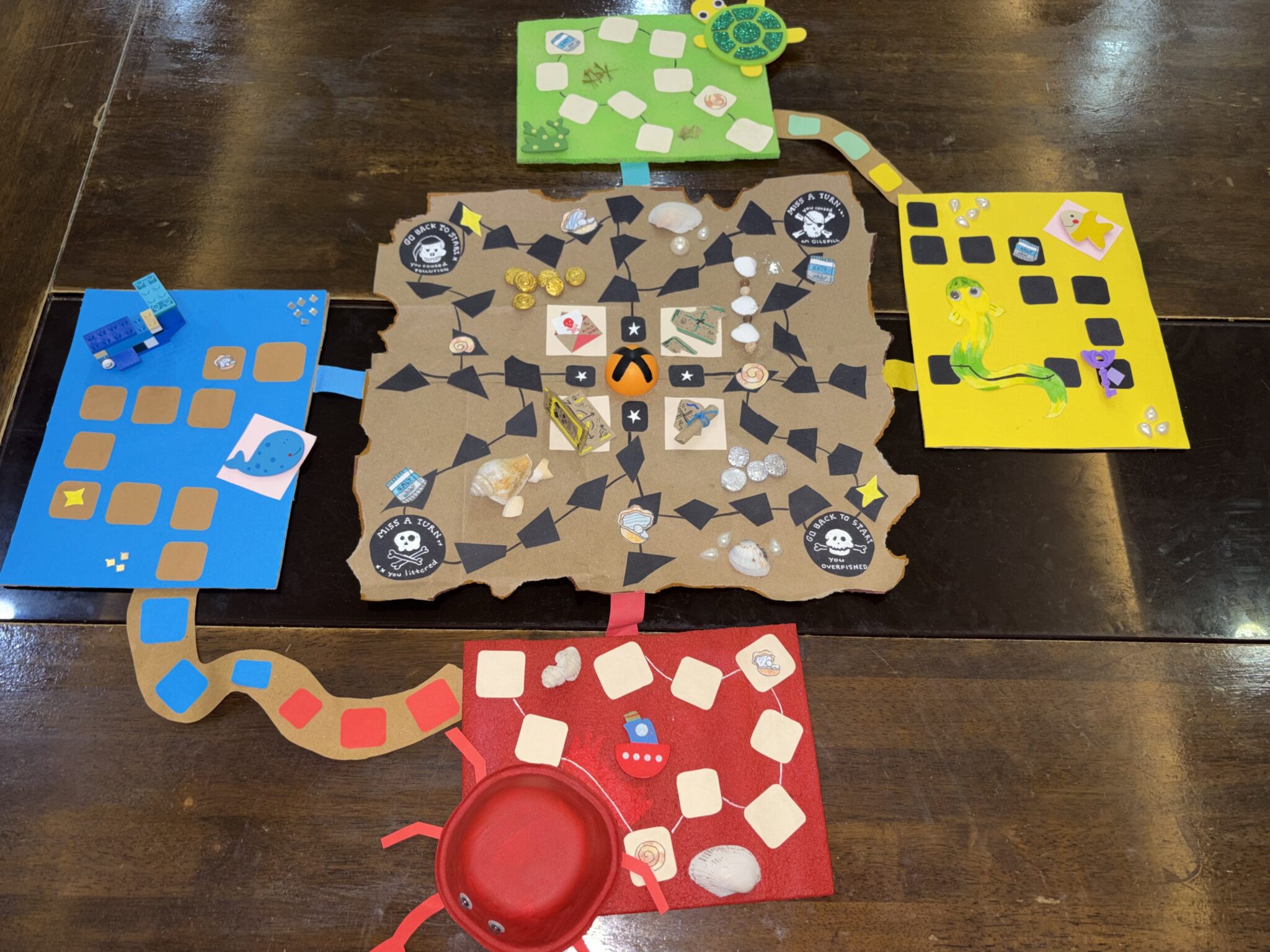
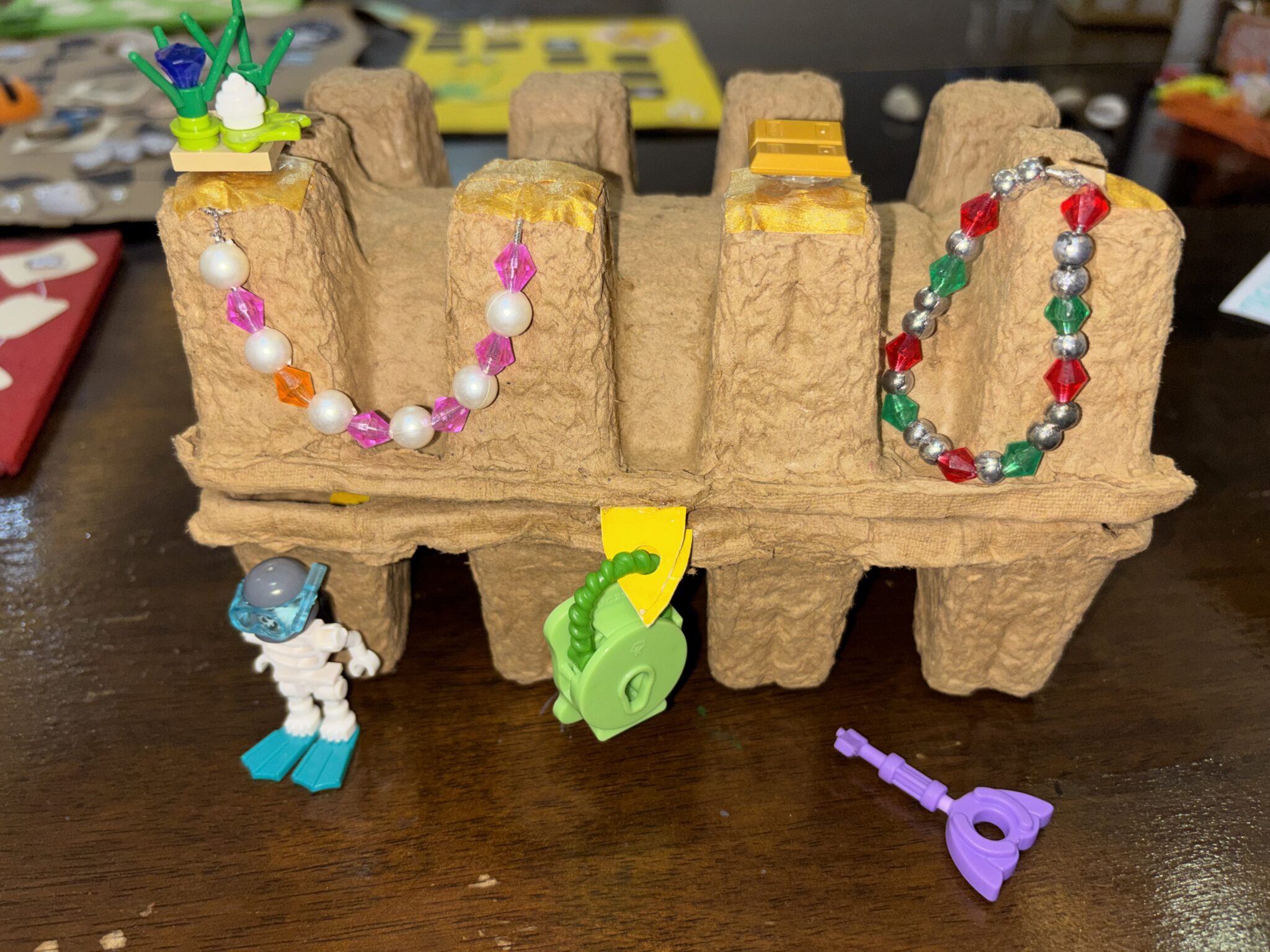
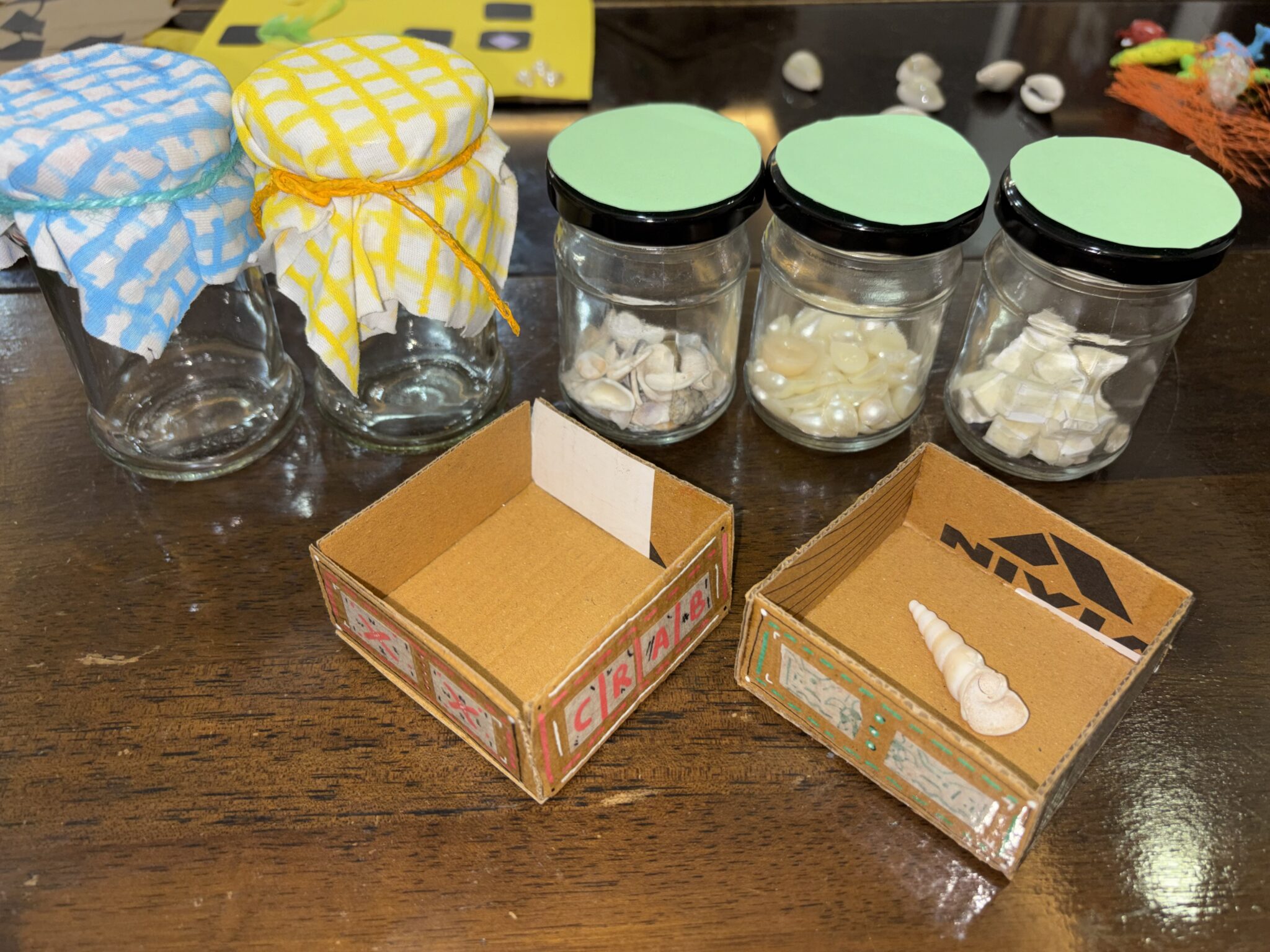
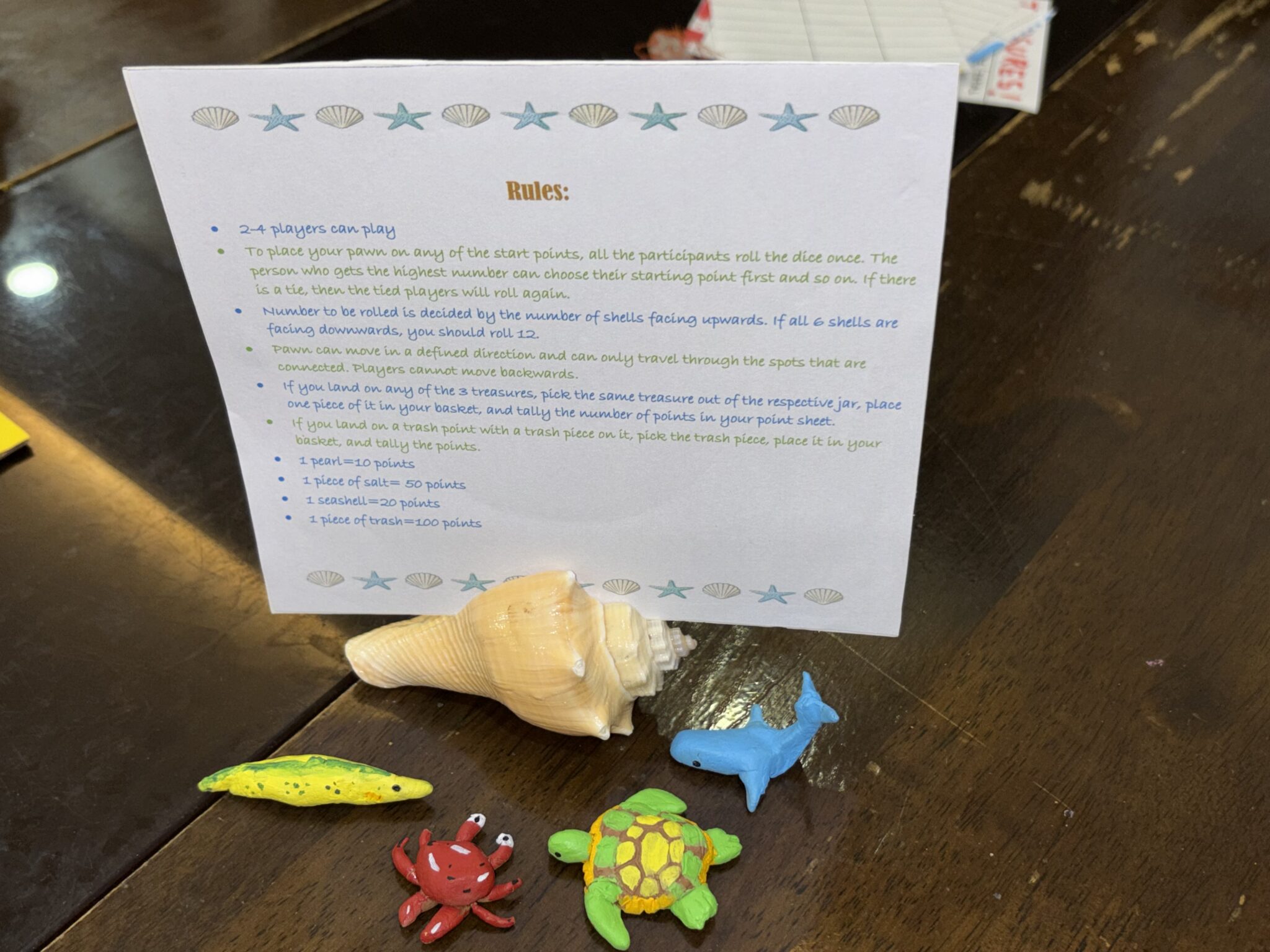
Project Description: My board game, “Ocean Quest” is inspired from the game, Treasure Hunt, which was one of my favourite childhood games. My game involves collecting ocean treasures, picking up trash, opening treasure chests and avoiding the negative spots. “Ocean Quest” supports the overall contest theme, your story, our ocean, in many ways. This game focuses on how the ocean sustains us with innumerable vital resources, like salt, pearls, and seashells. In “Ocean Quest” you also score points if you give back to the ocean, by picking up trash. This rule showcases the importance of reciprocity with the ocean. In all the 4 coloured lands, the models of the respective sea creatures, have been inspired from actual sea animals. These models give the message, of the crucial role the ocean plays as an inspiration for so many artworks and if the ocean disappears, then so will the creation of ocean inspired art pieces. My game focuses on how the ocean maintains a delicate balance, and if this is disturbed, then humanity will suffer. In the game, if you cause an oil spill, do overfishing, or any activity which harms the ocean, then you lose points. The game portrays the message that being sustainable is the first step to helping save the ocean. To bring out this message, I have tried to reuse only waste materials which I found at home. Materials Used: “Treasure map,” the central board, is made from brown paper grocery bags. The painted “central pirate cross dome symbol” is created from my broken table tennis ball. All “4 Game Pawns” and gold and silver coins have been moulded out of clay and painted. The “four-team logos” placed around the pirate cross symbol are also made from brown paper bag scraps which I painted and decorated The “blue and yellow lands” are pieces of old cardboard boxes. The “red and green lands” are thermocol sheets of some packaging. The 3D crab in the red land is made from a paper cup. The “Treasure Chest” is made from a honey case used for packaging. The “treasure storage boxes” of the red and green teams are created from carboard of a waste shoe box. The “treasure storage jars” of the blue and yellow teams were glass jam jars. Waste white cloth was painted with check patterns and has been used to decorate these jars. Rules: • 2-4 players can play • To place your pawn on any of the start points, all the participants roll the dice once. The person who gets the highest number can choose their starting point first and so on. If there is a tie, then the tied players will roll again. • Number to be rolled is decided by the number of shells facing upwards. If all 6 shells are facing downwards, you should roll 12. • Pawn can move in a defined direction and can only travel through the spots that are connected. Players cannot move backwards. • If you land on any of the 3 treasures, pick the same treasure out of the respective jar, place one piece of it in your basket, and tally the number of points in your point sheet. • If you land on a trash point with a trash piece on it, pick the trash piece, place it in your basket, and tally the points. • 1 pearl=10 points • 1 piece of salt= 50 points • 1 seashell=20 points • 1 piece of trash=100 points • If you land on key, unlock treasure chest using it, pick up a treasure card and follow the instructions written on it. • First person to get 300 points wins. Contents: Game board 4 pawns 6 seashells for dice 12 treasure cards 3 trash pieces 2 treasure storage boxes, one red and one green 2 treasure storage jars, one blue and one yellow 4 point sheets, one in each colour 3 treasure jars, they contain seashells, pearls, and salt cubes. One lock and key One treasure chest One rules sheet
Reflection
“Ocean Quest” is inspired from Treasure Hunt. The idea of this game began with a small thought, “isn’t everything the ocean gives us a treasure?” I chose to do a mix of pottery, origami, and craft to showcase how diverse the ocean is. Through the contest theme, I learnt about how the ocean supports and sustains human life in countless ways, yet we don’t return the favour, and I decided to portray the same message through my submission. In my game, the treasures that we need to collect are, salt, pearls, and seashells, which are resources found in the ocean, that support us in countless ways. Ocean Quest also gives points to players who pick up trash or do other acts to give back to the ocean. I used sustainable materials to make my board game and did not buy anything to make it. I used old household materials to make my game, and through this action, I want to give the message that the first step to save our ocean, is by being sustainable in small ways. “Ocean Quest” gives the message that just like how the ocean gives us many vital resources like salt, we must give back to it by doing small acts like being sustainable, and at least, picking up our own trash. My game gives the message that usefulness lasts and luxury fades. In real life, pearls are worth more than salt and seashells, but they are less useful, because they are a luxury, not a need. But in my game, salt earns you the most points, because it is necessary for taste in food and is also used to preserve meat. Pearls earn you the least points, because they don’t have a use, however seashells are used for construction and agriculture.