
The Gardens Of Hope
New Delhi, India
2025, Senior, Interactive & Multimedia
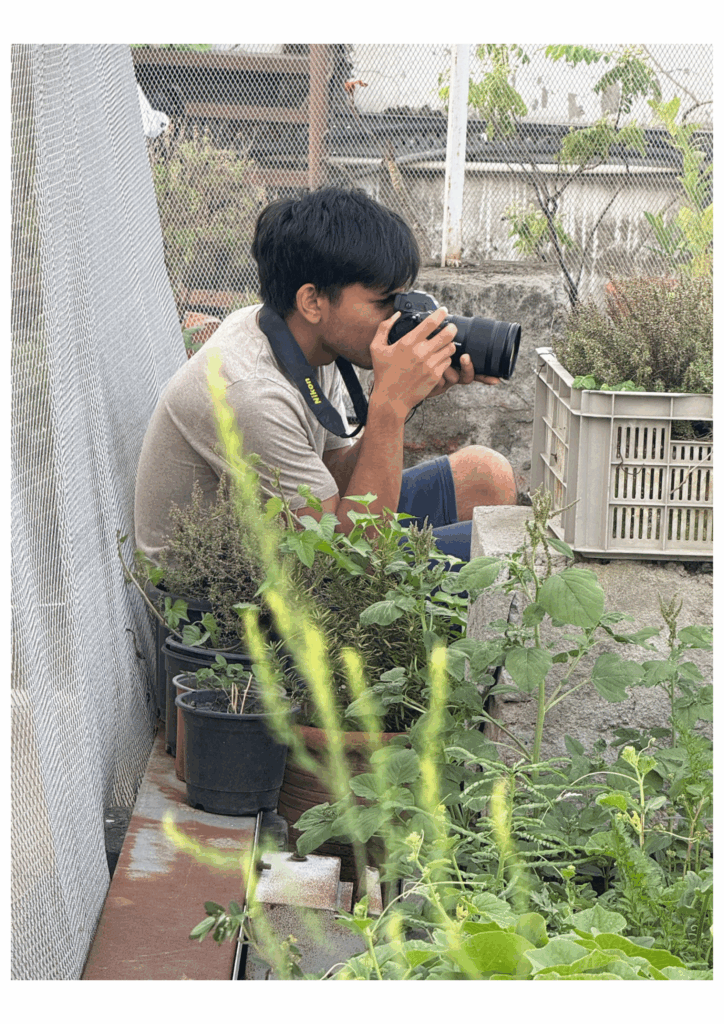
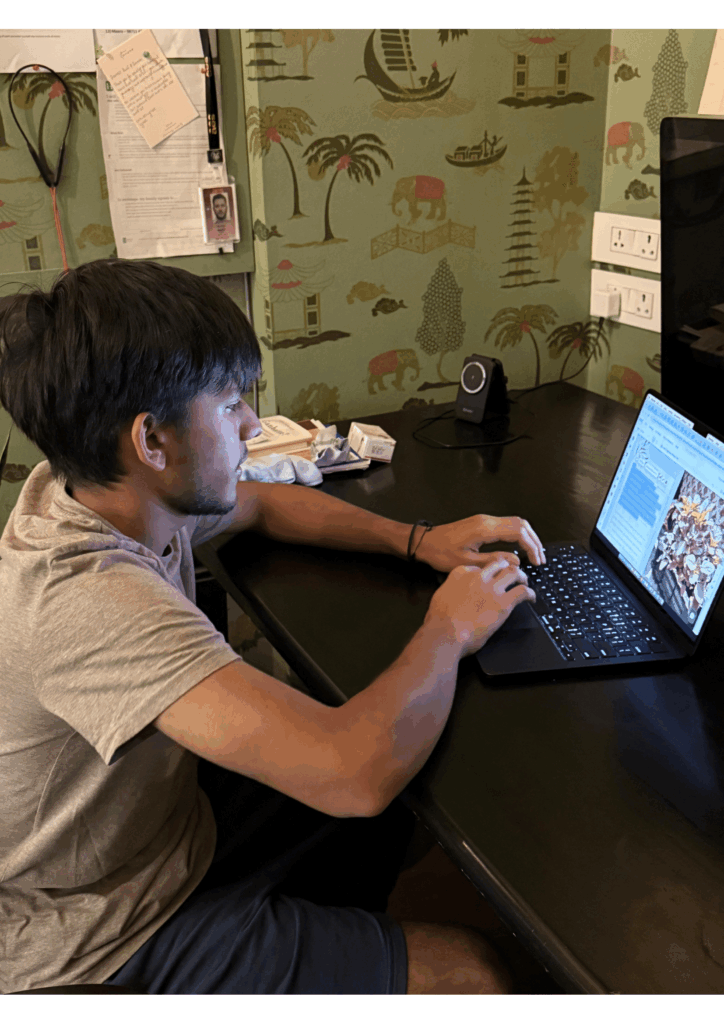
Project Description: ‘The Gardens Of Hope’ is a website and community initiative that aims to promote wellbeing and a connection with nature through growing kitchen gardens.The project promotes deeper connections with nature’s rhythms— by encouraging us to spend time around greenery, offering not just personal health benefits, but also climate action, biodiversity restoration, and sustainable living.The name ‘Gardens Of Hope’ is symbolic, representing the growth of hope in a severely marginalised and underprivileged community: The Nizamuddin Basti. Growing up, I watched my mother grow kitchen gardens around the house. I saw firsthand how healthy environments shape healthy humans, so the concept is familiar to me. During my time volunteering as a sports coach with the NGO ‘More Than Play’, I realized that malnutrition was a severe problem, which could be combated by kitchen gardens in the urban slum setting. A difficulty faced in this setting was the extreme restriction of space, which I was able to overcome by growing these gardens vertically. From a young age I have had a deep connection with nature and I used to often find myself sitting under trees which evoked a deep sense of peace and tranquility. I wanted everyone to have access to this sense of peace and connection to nature. What makes Gardens of Hope unique is its focus on accessibility and empowerment. While green spaces are often reserved for wealthier neighborhoods, this initiative ensures that even the most marginalized communities can reclaim their right to nature. Moving on to the website, the header contains five pages: Home, Donate A Crate, Grow A Garden, Community, and Contact. When you first open the website there is a short video, which gives the voice of the community. This is followed by a bit of context, our vision and then introducing the change agents – the mothers in the community. Next is the section containing the Calls To Action; this is made interactive: when you hover over the button, a plant grows. This is followed by benefits, and then an answer to the question, “If your garden could speak, what would it say about you”. Lastly, there is a picture gallery. On the ‘Donate A Crate” page there is a QR code which allows for donation and it doubles up as the About Us page. On the ‘Grow A Garden’ page there is a step by step guide from our gardening expert explaining how to grow your very own kitchen garden. This is followed by a material list and tips and tricks. The Community section is interactive: it allows you to communicate with others who are also growing kitchen gardens. To message on this, an account is required. You can get in touch with me through the Contact page.
Visit Website

Reflection
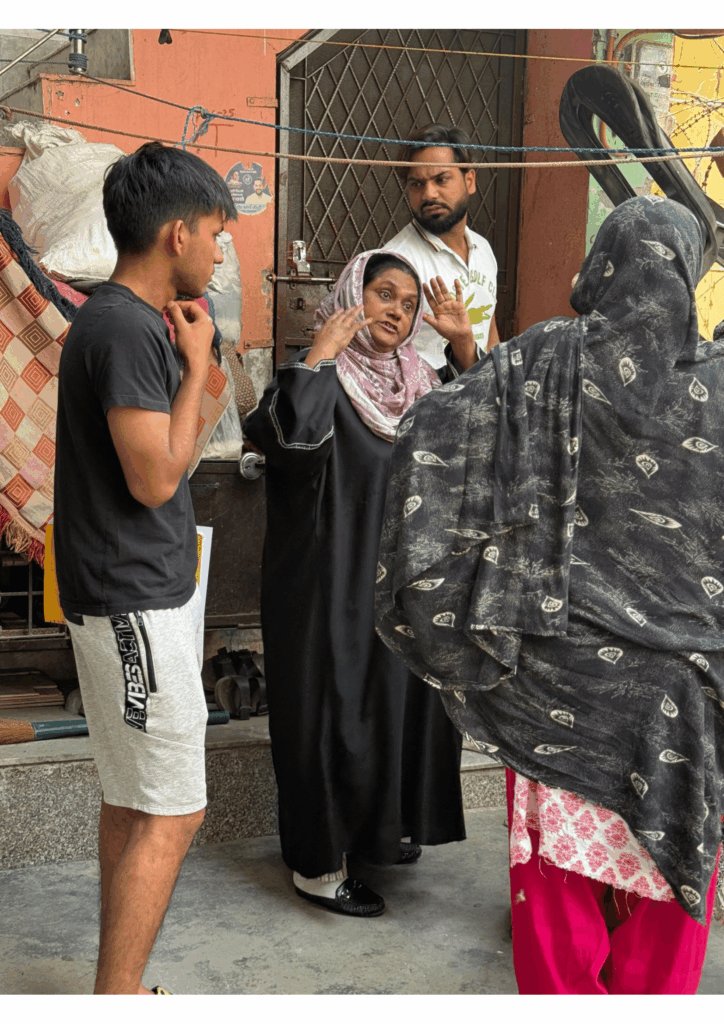
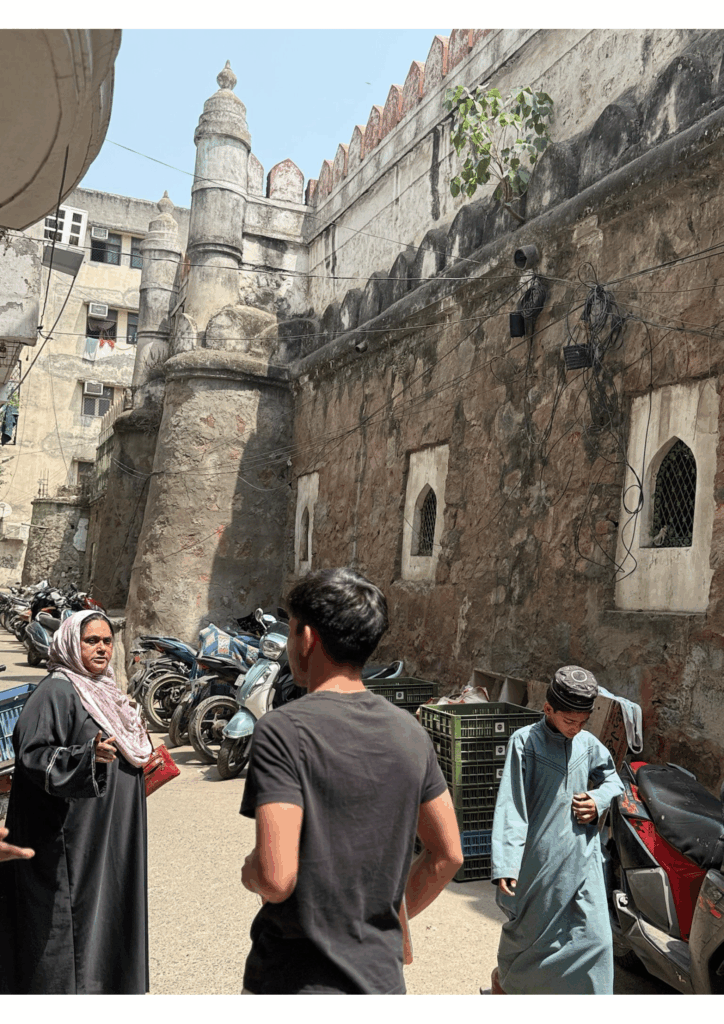
I live near the Nizamuddin Basti, one of the most densely populated neighbourhoods, with over 70,000 people per square kilometer. A concrete jungle where bees no longer visit, due to low biodiversity. When I learned about the malnutrition here, I decided to take action. The quote, “Think global, act local” shaped my approach. I was deeply inspired by the perseverance and optimism of this underserved community. One small act of growing a plant on a windowsill became a catalyst for conversations. During a group session, one woman shared her struggles with growing Holy Basil. The responses came pouring in—tips, stories, even suggestions to plant two varieties together. Another woman was approached by neighbours curious about her thriving terrace garden. What began as one crate of soil became a garden of hope. Another learning came while I was conducting an interview with the mothers and I realised this gave them a great sense of purpose, agency, and increased wellbeing. I want the viewers to be inspired by this and take action by growing their own garden of hope. What I am very excited about is that this model was so successful that I am making a plan to implement it in three other locations in Delhi.