From Scraps to Hope: How Ljubljana’s UNICEF Rag Doll Exhibition Transforms Recycled Fabric Into Life-Saving Vaccines
February 20, 2026By Isidora Popović, 2026 Future Blue Youth Council member
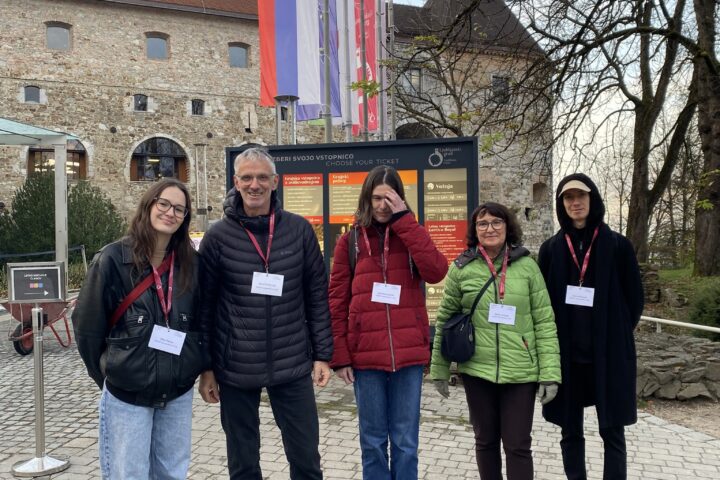
At the whimsical Ljubljana Castle in Slovenia, the UNICEF Rag Doll exhibition has returned for its 10th year, offering visitors a firsthand look at how creativity connects environmentalism and humanitarian work. As a UNICEF volunteer, I had the opportunity to contribute to this year’s exhibition, where rag dolls were displayed for 42 days. Thirty-one volunteers dedicated 420 hours to crafting these dolls from natural materials and staffing the exhibition. Behind every stitch lies a powerful message of empathy, as each rag doll represents hope for children in developing countries.
But what’s the story behind this initiative?
The UNICEF Rag Doll project began in Slovenia in 2005, inspired by Italy’s UNICEF Pigotta program. The Pigotta rag doll exhibition and adoption events are frequently held across Italy, with organisations like the Umbria Institute regularly featuring the Progetto Pigotta. Since its introduction to Slovenia, interest at both local and global levels has grown steadily. Made from natural materials like cotton and recycled fabrics, these dolls are transformed into life-saving opportunities: with a donation of €30 per doll, one child can be vaccinated against eight infectious diseases- diphtheria, measles, whooping cough, polio, tuberculosis, tetanus, hepatitis B, and Haemophilus influenzae type B (Hib). To this date, this initiative has enabled more than 22,500 children to receive vaccinations.
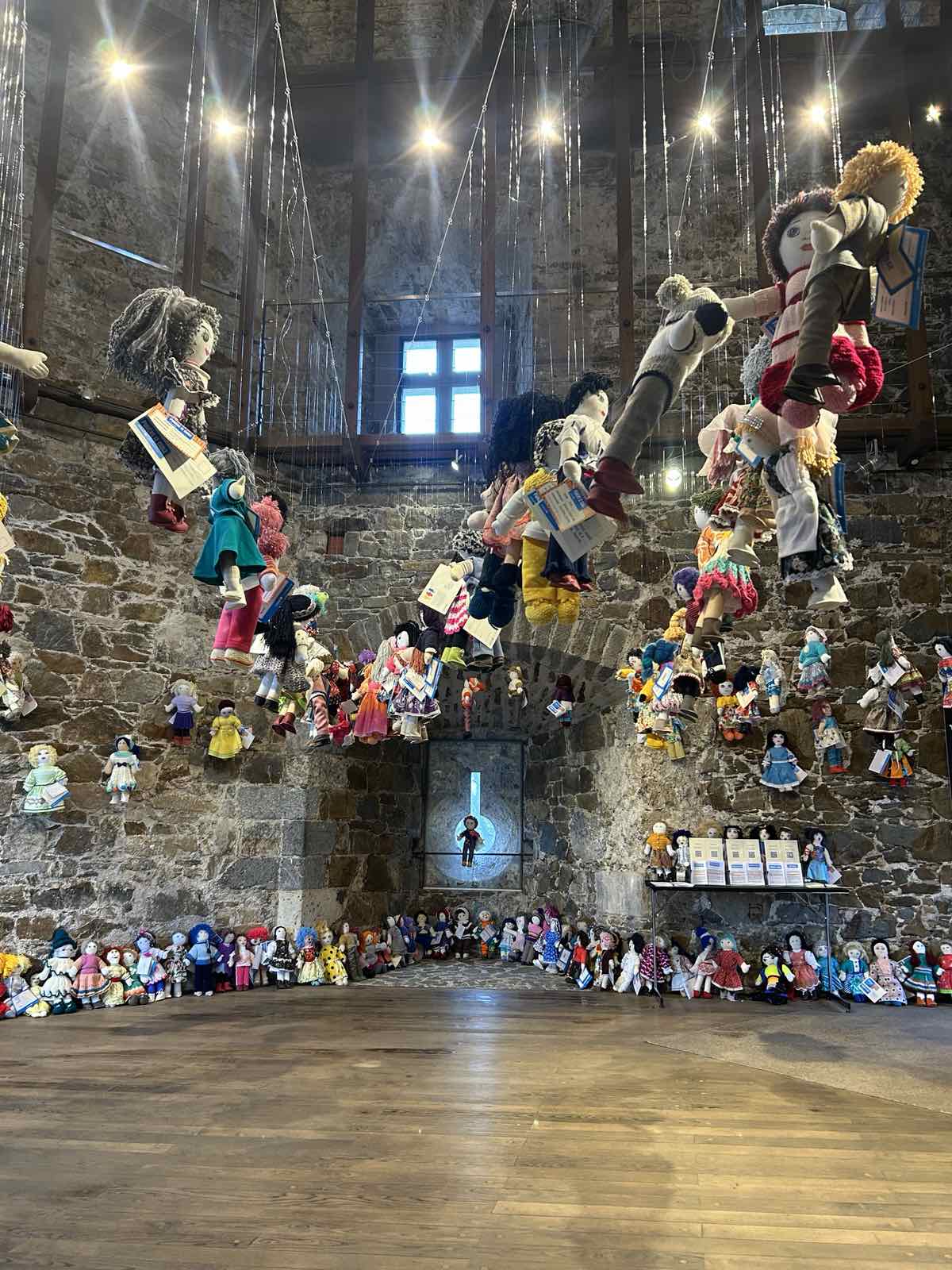
As an artist and environmental advocate devoted to humanitarian work and building inclusive, compassionate communities through volunteering, art, and leadership, the UNICEF Rag Doll exhibition has quickly become one of my greatest passions. This December, during the Christmas season, both tourists and locals had a chance to visit Ljubljana Castle and experience the exhibition’s tenth anniversary.
While staffing the exhibition, I had the chance to communicate with people from different parts of the world, all united by a concrete goal — to make a positive impact on children who did not have the geographical luck we have. Geographical luck is a concept I first encountered while volunteering at a refugee day center, and it refers to the advantages or disadvantages individuals face based solely on where they were born. This realisation highlighted the importance of acknowledging our privilege and using the means we have to create a change — whether on a local level, through a petition, or with a donation. The amount doesn’t matter — what matters is consistency and intention. These two key traits were evident among us volunteers and the tourists who were prepared to make a donation while also acquiring a unique rag doll, which can serve as a perfect Christmas gift or decoration.
This project deserves attention because its core message is dual: to protect our environment while offering hope to others. By donating, you receive an eco-friendly doll and become part of a meaningful cause. Contributing my time and efforts to this exhibition and witnessing firsthand how humanity and selflessness are cherished was a turning point in my humanitarian journey and later shaped my environmental advocacy. Now, as an FBYC member, I hope to bring this experience and knowledge into our environmental and humanitarian work, taking small steps to create global change by raising awareness and spotlighting initiatives like this one.
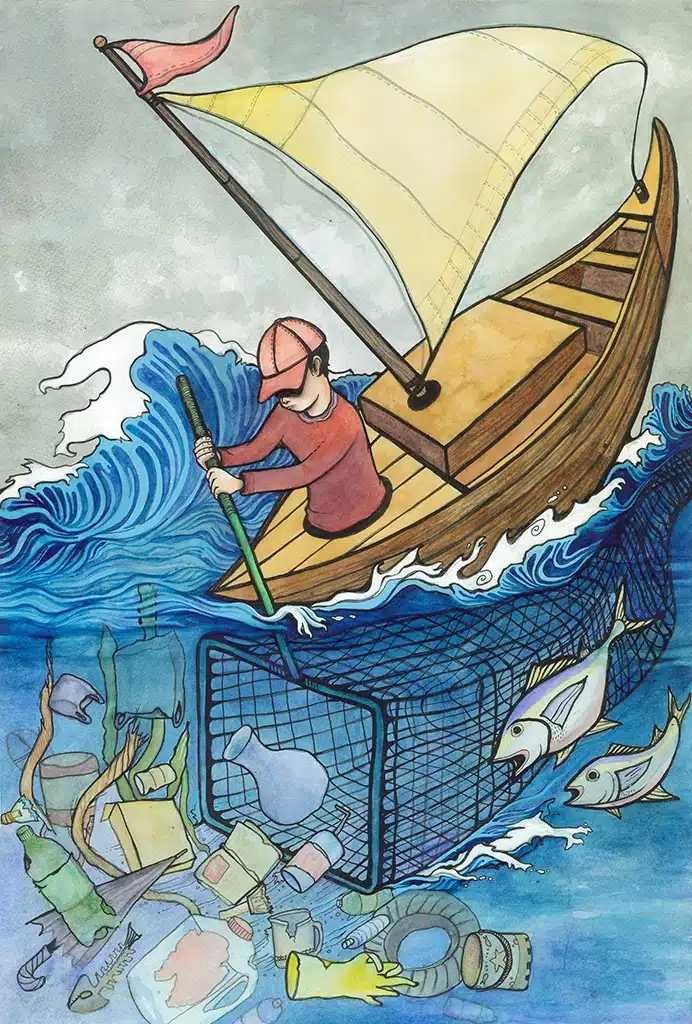 Timothy Li (2015), Our Oceans, Our Plastic
Beyond the direct impact of providing access to vaccines and healthcare in developing countries, this project has another closely connected goal — to reduce indifference. We are all human beings, and while language, nationality, or religion may differ, shared experiences like this project and genuine emotions truly connect people. During my time at the exhibition, I met people from around the world, and even without sharing the same nationality or language, we were united by the desire to help those in need. That sense of shared purpose is both essential and rewarding. However, it also came to my attention that indifference is one of humanity’s greatest dangers – when people believe there is nothing they can do, injustice persists.
So I hope that in reading this, I have sparked your interest in this meaningful project. I hope we all, as human beings, continue looking out for each other and contributing our efforts to help as much as we are capable. Let’s not be divided by nations or religions but feel connected by passion projects, ambitions, and similar interests.
Therefore, as a volunteer myself, I kindly encourage all readers to choose their own unique Rag doll, made in Slovenia, and save the life of a child in a developing country with a donation at www.punckeizcunj.si.