
Clay Sculpture
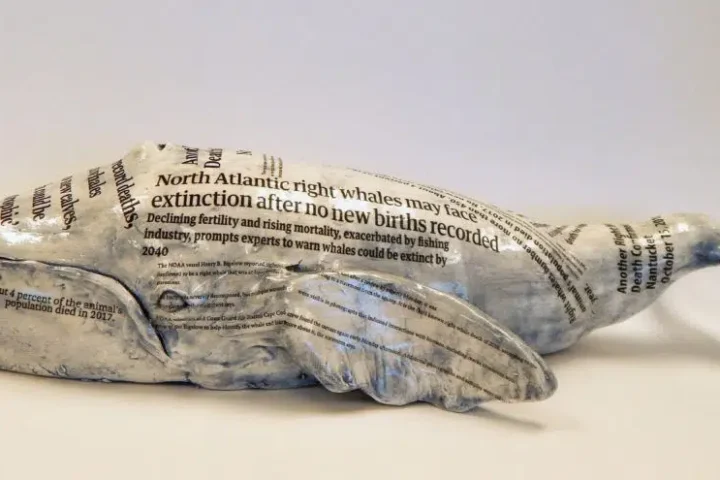
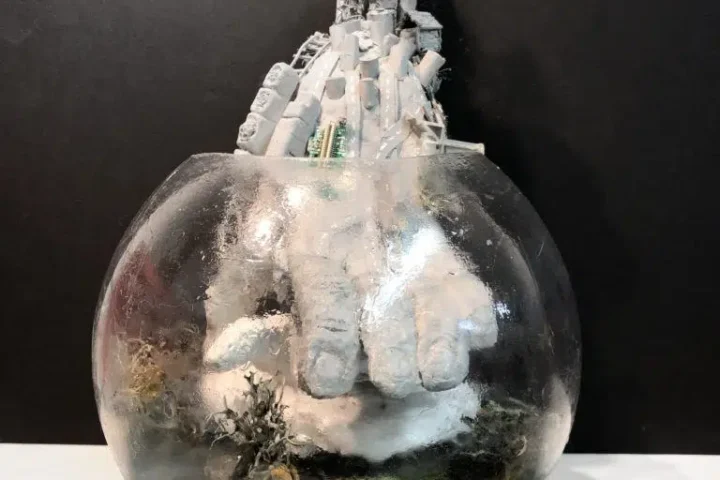
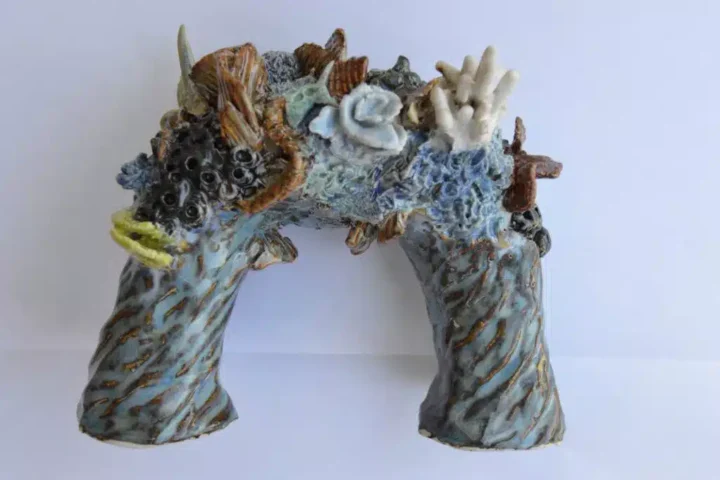
Clay is a natural or synthetic material that can be shaped when moist and hardened by drying or firing. Artists and makers use it for both functional and decorative work, from pottery to sculpture. It’s a versatile medium with distinct types—each with its own working properties, drying times, and firing temperatures—making it suitable for everything from quick modeling to durable, long-term pieces.
Pros
- Highly malleable when wet, allowing for precise shaping and texturing
- Can be used for both small, detailed work and large, expressive forms
- Firing in a kiln produces durable, water-resistant objects
- Compatible with a range of finishes including glaze, paint, and natural textures
- Reusable before firing—unfired clay can be rehydrated and reshaped
Cons
- Requires proper drying and firing to avoid cracking or breaking
- Access to a kiln is necessary for permanent, functional pieces
- Can be messy and requires a dedicated workspace
- Finished pieces can be heavy and fragile if thin-walled
- Certain clays shrink noticeably during drying and firing, which must be accounted for in planning
In essence
Clay work generally falls into three main categories: earthenware, a low-fire clay often used for decorative pieces; stoneware, a mid- to high-fire clay known for durability and everyday use; and porcelain, a high-fire clay prized for its smooth texture and translucency. There’s also oil-based or polymer clay, which doesn’t require firing and is used mainly for modeling, prototyping, or small crafts. Clay can be shaped by hand-building (pinch, coil, slab methods) or wheel throwing, with surface decoration added before or after firing. Understanding clay body type, moisture stages (plastic, leather-hard, bone-dry), and firing temperatures is key to getting consistent results.
Guides
Tips and tricks
- Choose the right clay for your project—earthenware for colorful, low-fire work; stoneware for durable, functional ware; porcelain for fine, delicate pieces; or polymer for non-ceramic crafts. This choice affects firing temperature, shrinkage, and finish options.
- Manage the moisture stages carefully. Work and shape the clay while it’s plastic, refine details when leather-hard, and avoid moving it once it’s bone-dry to prevent breakage before firing.
- Use even wall thickness to reduce the risk of cracks during drying and firing. This is especially important for functional ware like mugs and bowls.
- Keep tools and hands clean while working, especially when switching between clay types. Contamination can affect color, texture, and glaze results.