
Colored Pencils
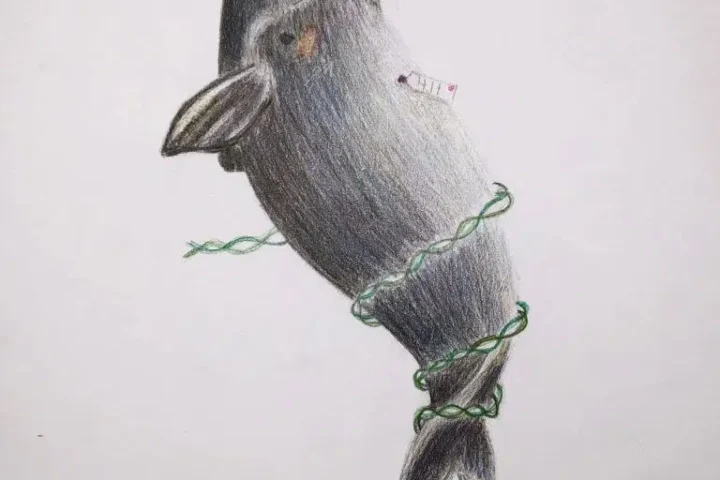
If you’re drawn to precision, vibrancy, and control, colored pencils might be the perfect medium for your next piece. Colored pencils offer the familiarity of drawing with the richness of painting, giving you the best of both worlds. With the ability to layer, blend, and burnish, you can achieve effects ranging from delicate sketches to detailed realism. This section will help you explore the benefits and challenges of working with colored pencils, along with tips, guides, and inspiration.
Pros
- Excellent for detail and control
- Vibrant color with layering potential
- Portable and low mess
- Great for mixed media work
- Doesn’t require drying time
- Available in many types and brands for all budgets
Cons
- Slow build-up process—time intensive
- Limited blending compared to wet media
- Can create a waxy or reflective finish (especially with heavy layering)
- Difficult to cover large areas quickly
- Mistakes are harder to erase or adjust than graphite
In essence
Colored pencils are a dry medium made of pigment encased in wax or oil-based binders. Artists often layer colors gradually to build richness, depth, and shading, blending with pressure or solvent for smoother transitions. While they are more precise and less messy than pastels or charcoal, they can be slow to work with and require patience and layering skill for best results. Paper with some texture (“tooth”) helps hold more pigment, and tools like colorless blenders or solvents (e.g., odorless mineral spirits) can enhance your finish.


Guides
Tips and tricks
- Use light pressure at first. Build layers gradually instead of pressing hard—this avoids flattening the paper’s texture and allows for smoother blending.
- Try layering complementary colors. Blending opposite colors can tone shadows and reduce oversaturation. For example, add a touch of green into a red apple’s shadow. Also, work from light to dark. You can always deepen colors, but removing too much pigment later is difficult. Leave highlights early or use a white pencil for gentle highlights.
- Experiment with blending tools. Blending stumps, soft brushes, tissue, or colorless blenders can help smooth transitions. Solvents like Gamsol or baby oil can also dissolve wax for a painterly effect.
- Keep your pencils sharp. A fine point gives better control and cleaner lines, especially for details like hair, feathers, or text. But remember to protect your paper and be gentle with your pencil’s sharp point. Use a sheet of clean paper under your hand to prevent smudging or skin oils affecting pigment adherence.
- Use toned paper. Colored paper can help unify tones and make highlights or shadows pop without having to color the entire background.