Craft Planet: Empowering Women and Students through Sustainable Waste Solutions
July 25, 2024By Keren-happuch Garba, 2024 Future Blue Youth Council member
The increasing amount of waste pollution in the world poses a serious threat to human health and ecosystems. Improper waste management is the main cause of this global issue. This has exacerbated water contamination, flooding, and a loss of biodiversity. In Kaduna State, Nigeria, reports show that persistent flooding occurs due to improper waste management, poor drainage, and heavy rainfall.
To curb these effects, Kabir Olaosebikan, a 2024 True Blue Fellow, is raising awareness in his community in Kaduna State on proper waste management through art recycling. His examples encompass waste conversion such as old tires and plastic to eco-friendly products.
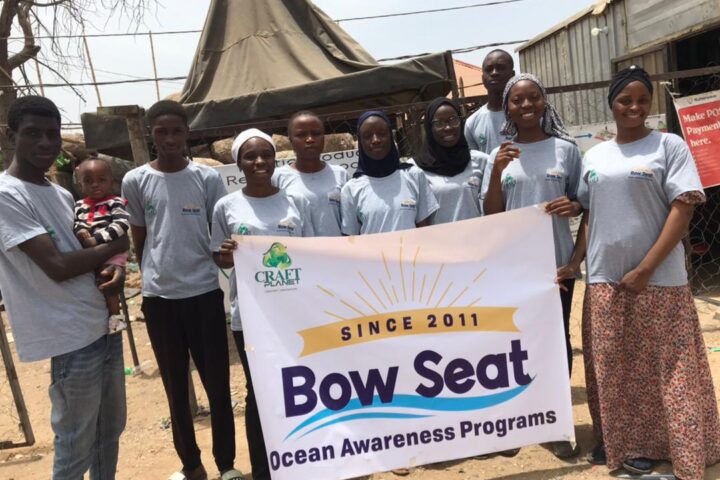
Kabir’s community is female-dominated, and with the help of 25 community women, he has empowered them to teach 10 other women about pollution, proper waste management, and monetization of art-recycled products. For these women, their climate actions are being put in the spotlight, highlighting how women’s inclusion in mitigating environmental issues is crucial. According to the United Nations, women are more vulnerable to the impacts of climate disasters due to their existing roles, responsibilities, and cultural norms. For example, communities impacted by climate disasters such as drought actively affect the population. However, women are more likely to be vulnerable to its impacts because they are responsible for supplying their homes with water and food. According to the United Nations Children’s Fund (UNICEF) report, women and girls are responsible for water collection in 8 out of 10 households. Therefore during drought, some women have to draw water from wells or walk long distances to get water. Sometimes, they face health consequences due to this increased burden. By bringing together more women in environmental action, there is a higher possibility of solving environmental issues and reducing the risk women face from the impacts of climate disasters. The Craft Planet project reflects the significance of women’s inclusion in the environment and the hope of solving waste pollution.
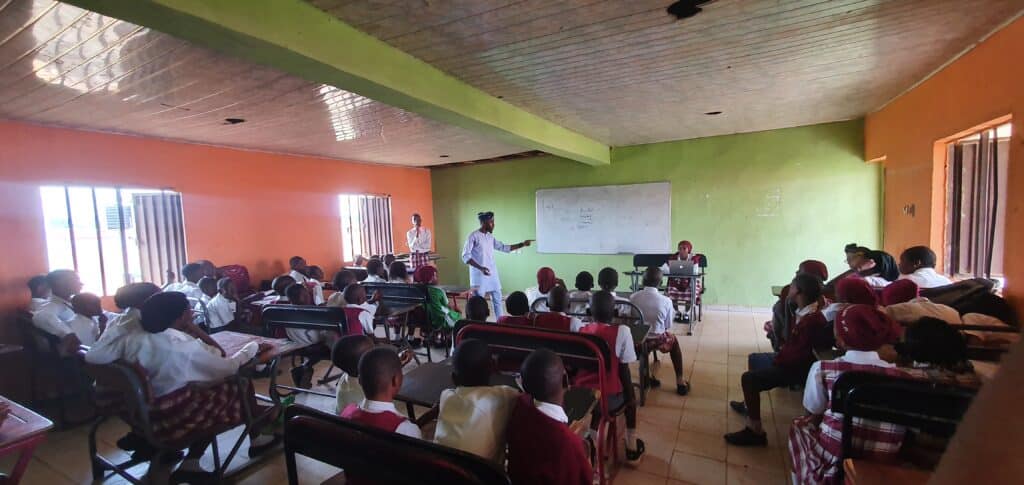
Creatively, Kabir is promoting art-recycling in schools to foster environmental awareness among youths. By leveraging the power of creative arts to communicate the essence of recycling and the effects of waste pollution, he is providing sustainable solutions to waste pollution. Thus, youth empowerment in achieving zero waste can be fostered by investing in environmental education and allowing youths to fully participate in environmental decisions.
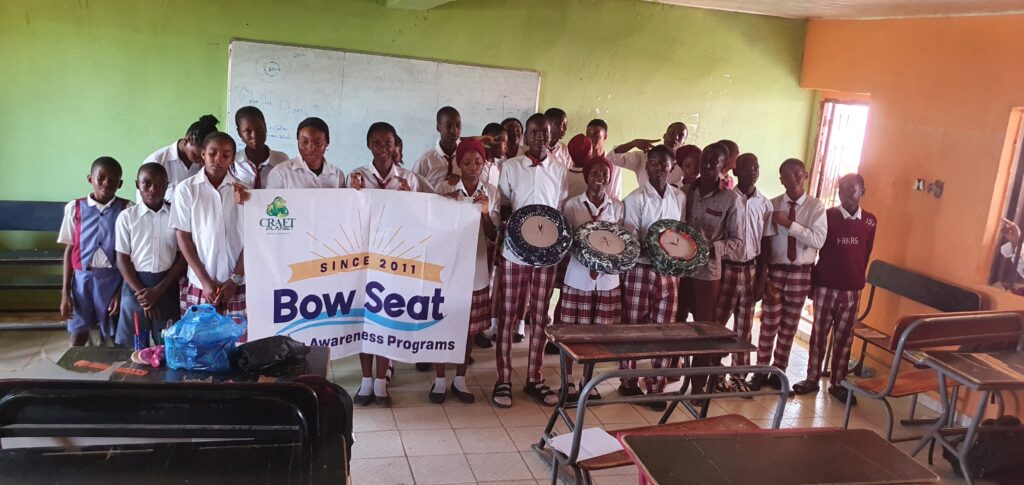
Kabir’s Craft Planet plays a vital purpose in combating waste pollution in his community. By allowing women and students to be part of the solution, Kabir’s project is driving positive environmental change through women’s inclusion, youth engagement, and art.