
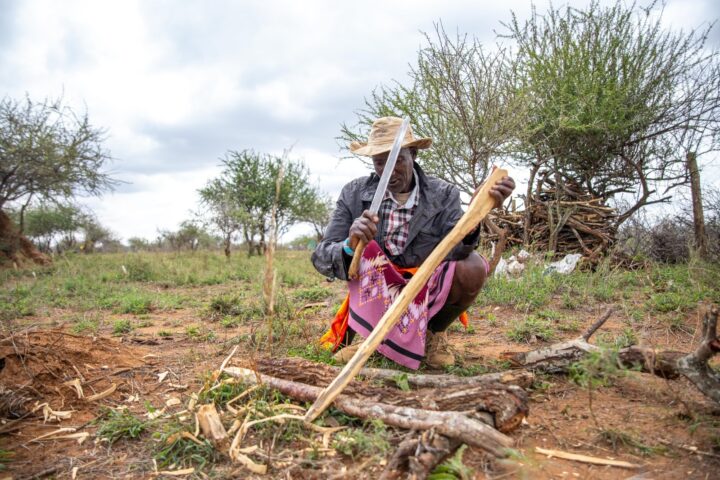
Safeguarding the Environment through Maasai Culture: Frederick
December 5, 2025By Jina Song and Purity Busena, 2025 Future Blue Youth Council members
FBYC Fellowship Spotlight – Kenya & Korea Mentorship Team
Over the past year, we have had the privilege of mentoring Fredrick, a 2025 True Blue Fellow. As a 25-year-old climate activist based in Kenya, Fredrick leads the “Embracing Maasai Culture to Safeguard Our Environment” initiative. Despite the shared K’s in our country names, we remained thousands of miles apart and blockaded by time zones. With each chat and conversation, our joint work became more of a friendship. Climate change is borderless. But so was our commitment towards the environment.
Working alongside him has been eye-opening to say the least. Creativity, resilience, and cultural traditions have transformed environmental action into a multilayered community movement. As mentors, we wholeheartedly believe Fredrick’s dedication and impact should be the spotlight of this blog. He centers his work on traditions that provide “new life in protecting our environment.” True to that spirit, the project has become a living, breathing experiment in weaving Maasai culture into environmental action that resonates with his community. For the Maasai, the environment isn’t just a distinct entity from human society. Nature is not a mere background, but the backbone of their unique Indigenous identity.
In the first half of 2025 alone, Fredrick’s team planted 750 indigenous Ilkeek (trees) with an 85% survival rate. They’ve conducted three river clean-ups, removing 850 kilograms of waste, and set up three Engare (water) monitoring stations. Yet beyond the numbers, the true success lies in how these actions resonate culturally. The tree planting was carefully timed with “Ilkisima,” the rainy season, ensuring both survival and spiritual meaning.
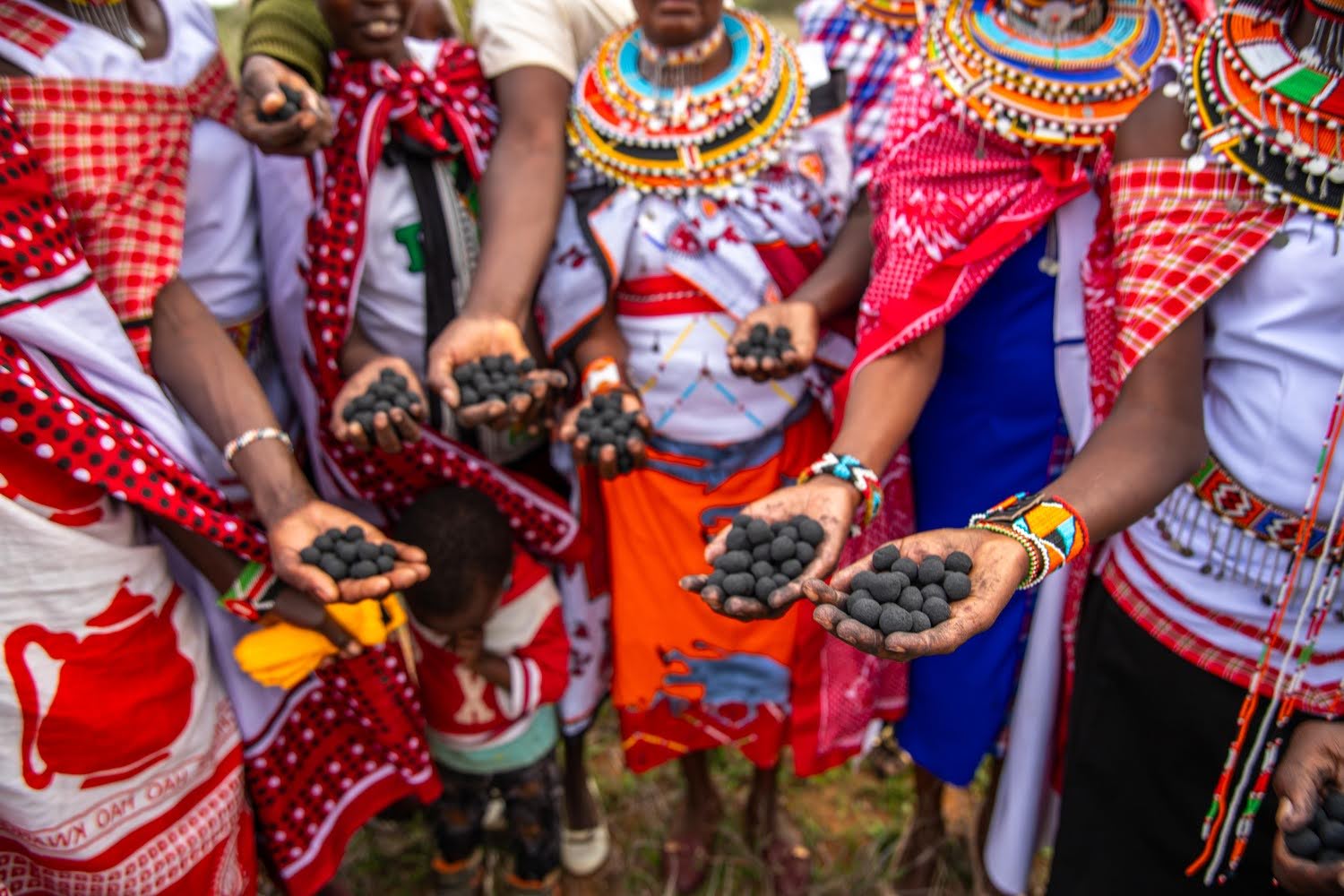 Charcoal Seedballs Planted by The Maasai Women
Beadwork circles have evolved from simple artisan workshops into vibrant weekly knowledge-sharing sessions. Women create jewelry infused with conservation messages. As Mama Esther, a Maasai community leader and project participant, shared: “The beads now speak of our rivers and trees, not just the beauty.” Frederick shared how her sentiment captured the core of his approach, nestling notions of environmental conservation as a natural part of life.
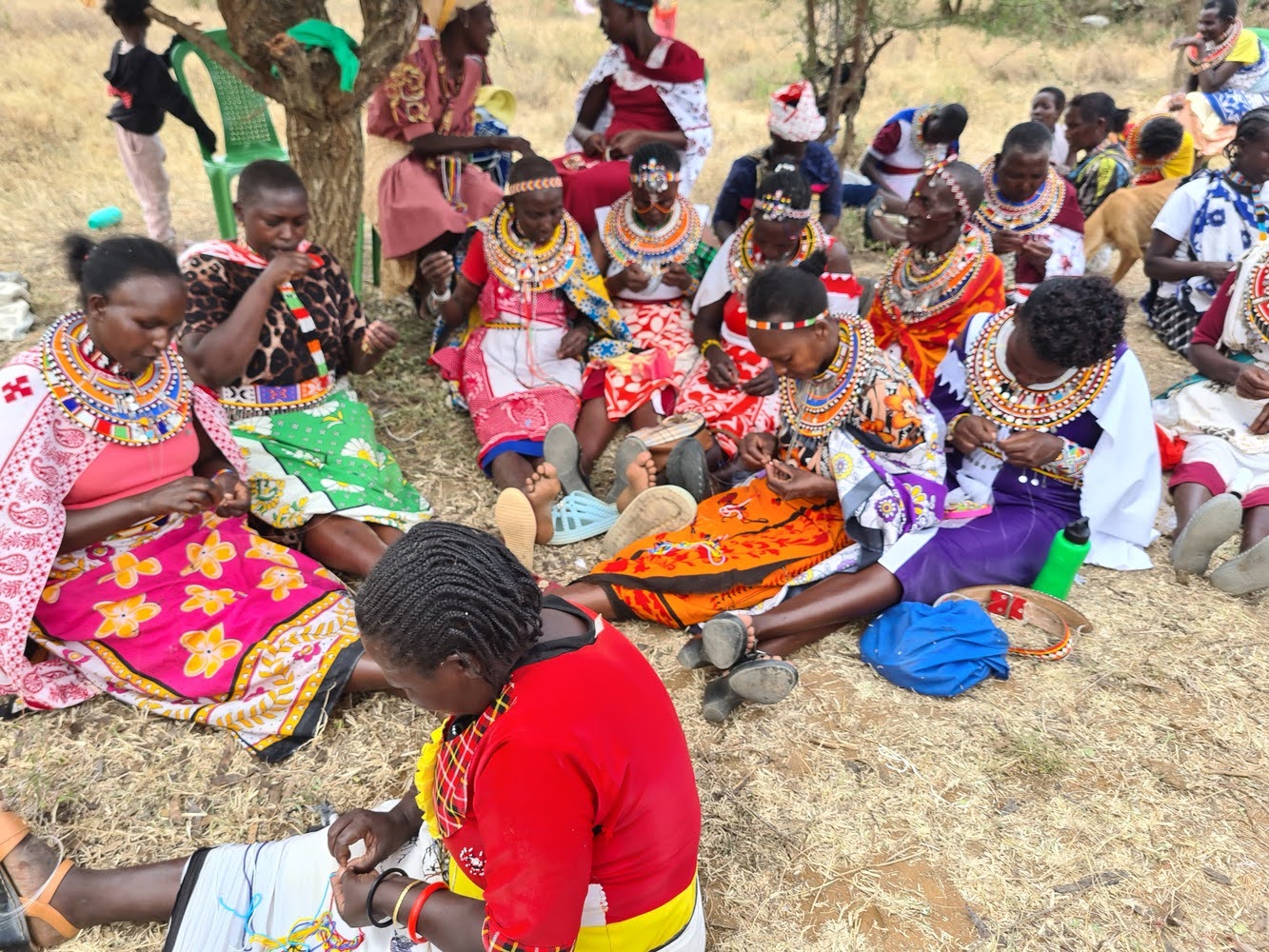 Maasai Women doing beadwork while sharing knowledge about their community and conservation
Cultural storytelling has become another vital dimension. We’ve aided Fredrick and his team in documenting eight traditional environmental stories shared by elders and composed six conservation-themed songs using Maasai musical traditions. These sessions often bring together three generations in the same space: elders recalling ancestral wisdom, middle-aged members translating it into today’s language, and young people learning how to apply it to modern conservation challenges.
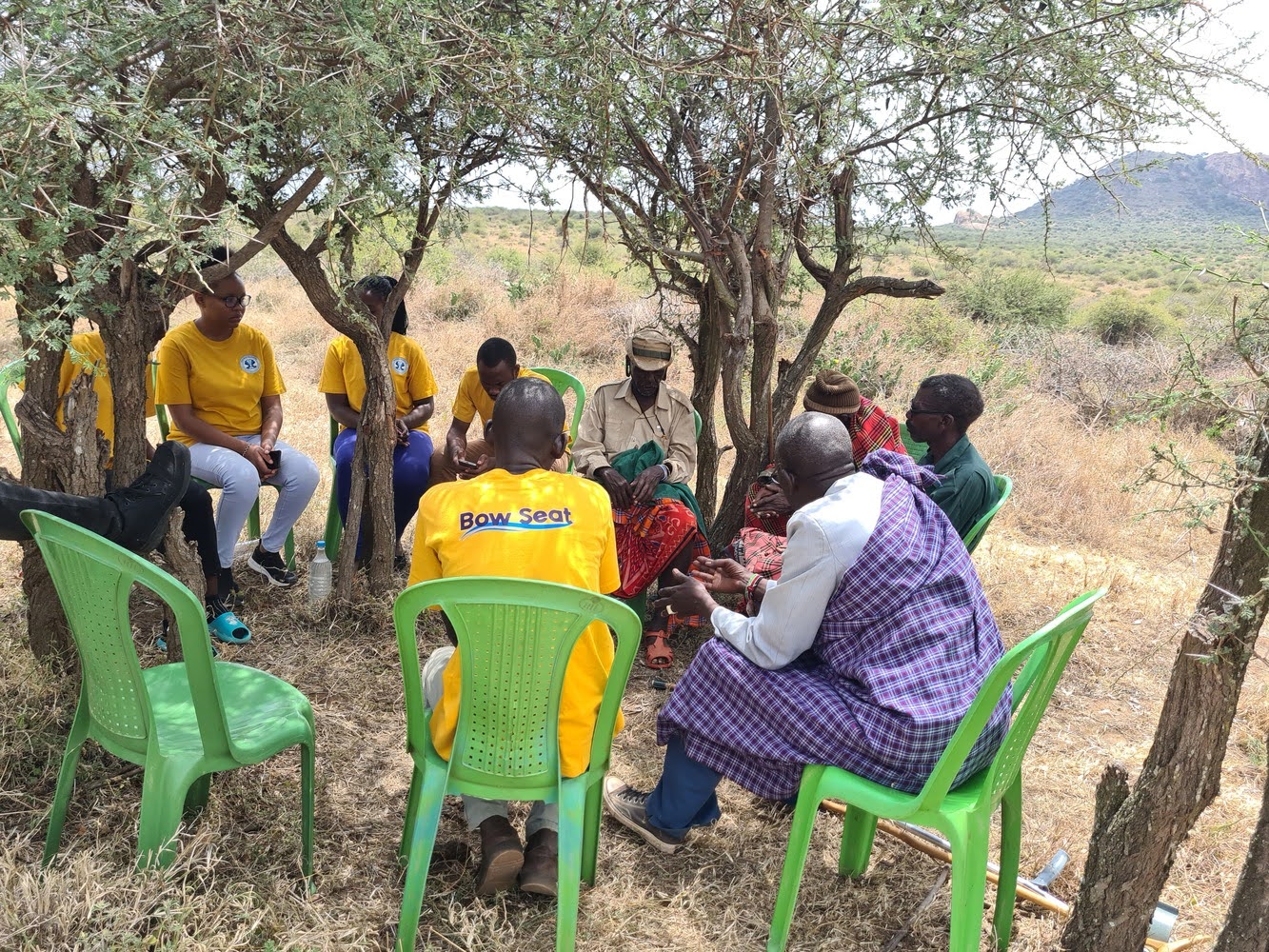 The Maasai Elders sharing Environmental stories with the Youth
One of these songs, now sung at gatherings, declares:
“Engare enyokie, ilkeek enkitoria
(Water flows, trees we protect)
Enkop sinyati, intati enkishui
(Our land is sacred, our children inherit)
Ilmoruak olkiteng’eni, inkokoi olosho
(Elders teach wisdom, women nurture life)
Enkang enkitoria, empurruani enkiteng’eni”
(Our community protects, for tomorrow’s wisdom)
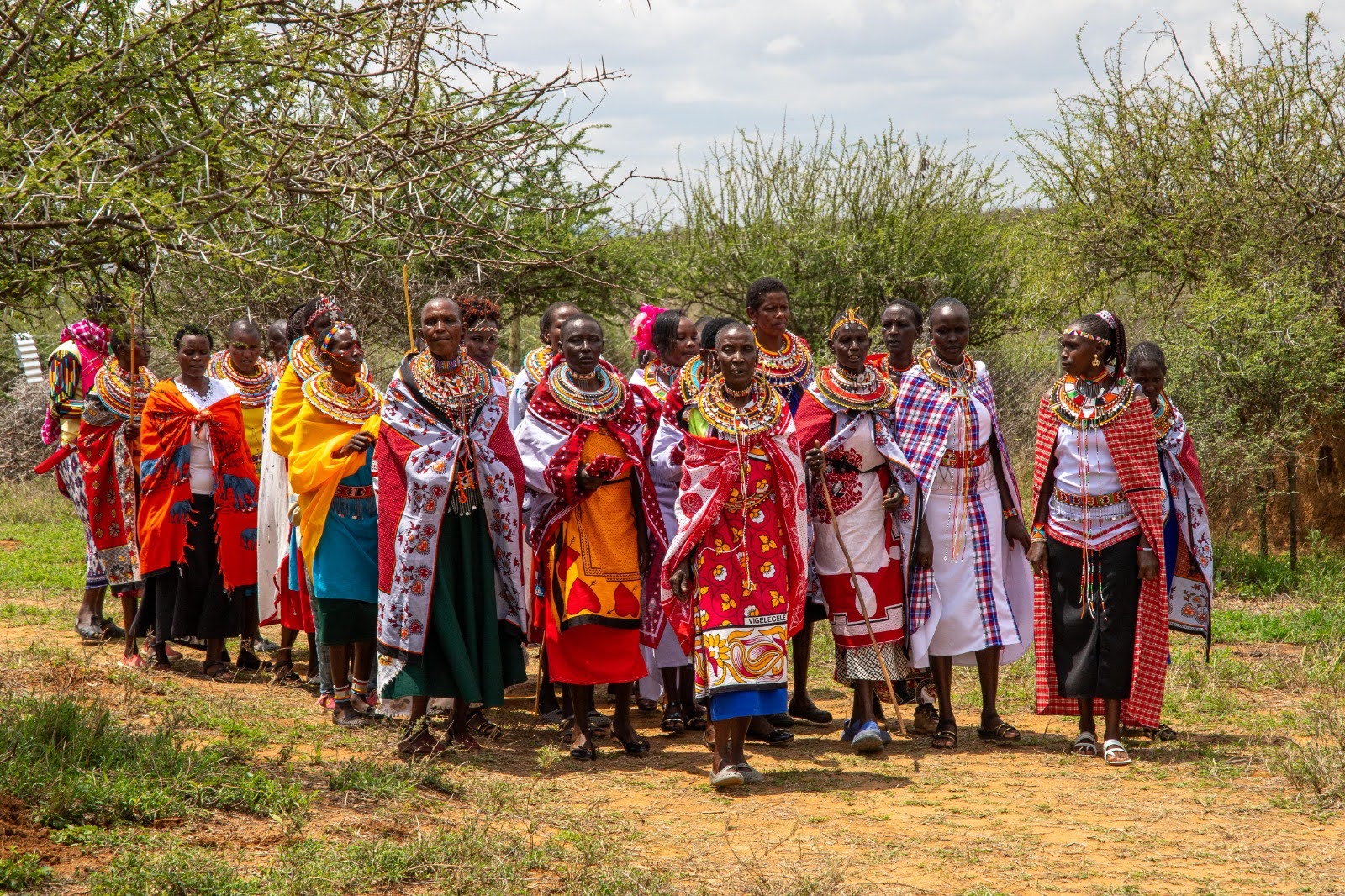 Maasai women at the Cultural Manyatta and Beadwork Festival
 Traditional Maasai Carving – Environmental Storytelling
August marked one of the initiative’s most significant milestones yet: the three-day Cultural Manyatta and Beadwork Festival. From August 23rd to 25th, more than 500 community members gathered for traditional songs, dances, storytelling, and artisan displays. Enkitoria—the spirit of protection—came alive. Of course, each moment was infused with environmental themes. Fredrick wrote to us afterwards: “It represented our largest community engagement event to date and demonstrated the effectiveness of our cultural-environmental integration approach.”
Despite the “sweltering Kenyan heat,” an intertwinement of cultural expression—music and art, dance and stories—made energy infectious. We were proud to help Fredrick support this living cause for the environment.
 Elephant herd near Fredrick’s festival area!
But how did he get here? Hosting more than 500 participants stretched the original budget, and Fredrick notes, “We addressed this through the additional budget Bow Seat approved.” Frederick also highlighted the issue of maintaining member interest. “Some community members are more interested in the cultural aspects, others in direct environmental action, and balancing these interests requires constant navigation,” he mentioned.
Perhaps the most thought-provoking challenge we helped address was this: while it’s easy to measure trees planted or waste removed, “how do we effectively measure the transfer of traditional ecological knowledge between generations?” Environmental stewardship is evolving into a project requiring decades of dedication. Seeing the impact of Fredrick’s work, we believe it’s a question conservationists everywhere should wrestle with.
Fredrick’s vision doesn’t stop here. We’re currently assisting him in extending this model to other communities, especially coastal or wasteland zones. What strikes us most in this journey with Fredrick is the fusion of culture and conservation into something greater than the sum of its parts. Beadwork circles, songs, and stories are not side activities. They form the heartbeat of environmental work rooted in community identity and pride. It’s not just about quantifiable metrics like higher participation rates or recycling. Frederick’s work is shifting how generations view their role in protecting the land, water, and wildlife.
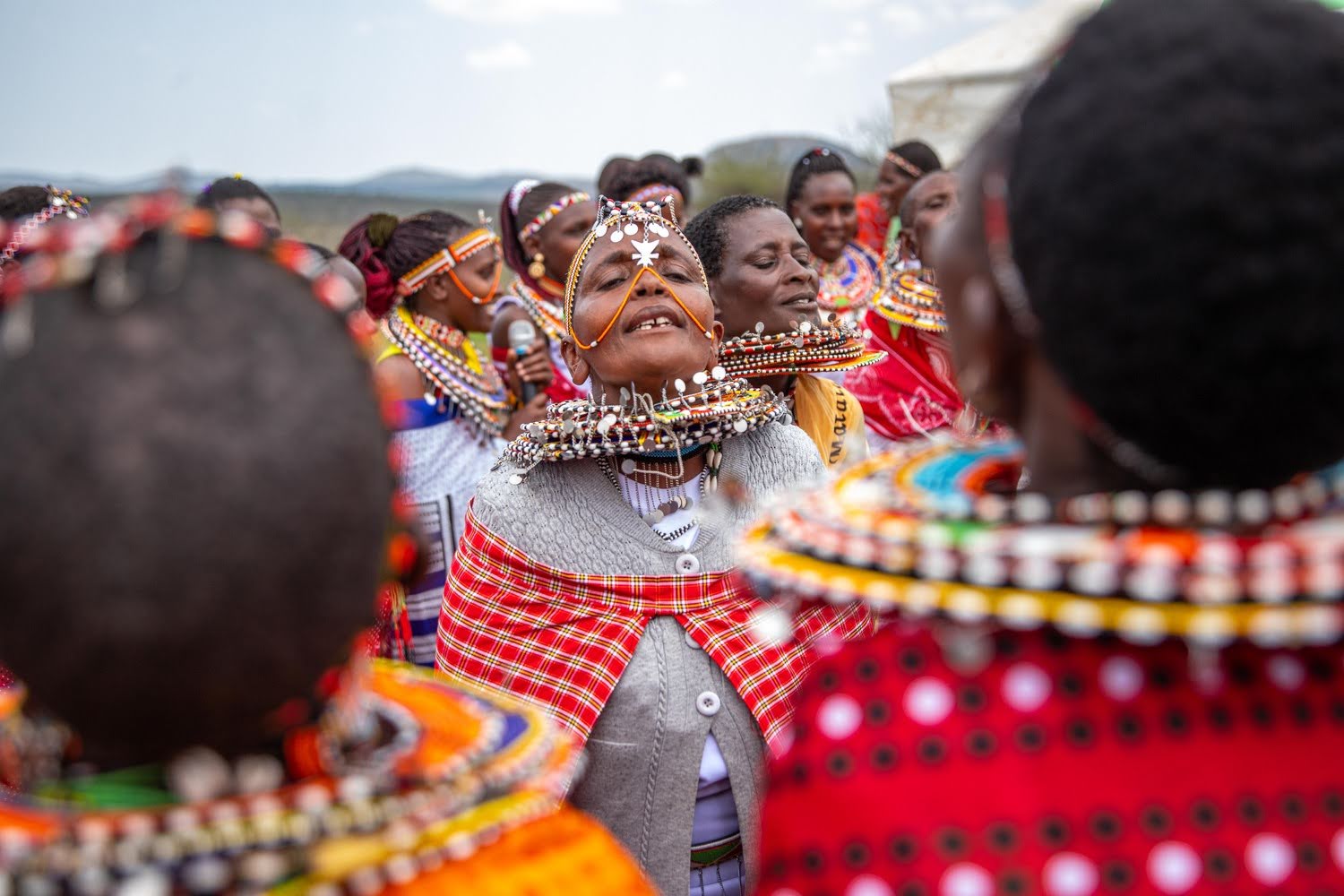 The Maasai Community singing Environmental Songs
“This project taught me that conservation isn’t about imposing new ideas, it’s about remembering and revitalizing the sustainable practices our ancestors always knew. When elders see youth embracing these traditions with environmental purpose, something powerful shifts in the community.”
– Frederick Kilonzo
As mentors, we are proud beyond words to stand alongside Fredrick and the Maasai community in this work. In a world echoing with hollow eco-friendly goals and superficial sustainability, his initiative reminds us that true conservation extends far deeper than flashy deliverables. It’s firmly rooted in meaning, heritage, and belonging. As Mama Esther put it, “The beads now speak of our rivers and trees.” When art—perhaps a human’s most innate form of expression—encapsulates nature, maybe that is when nature can reclaim its rightful place at the root of each community.
*Quotes from Masaai community members were recorded and translated by Fredrick Kilonzo.
*Photo credits: Fredrick Kilonzo