
Animal Welfare 101: What It Is & The Challenges It Faces
October 1, 2026By Nat Mansi, 2026 Future Blue Youth Council member
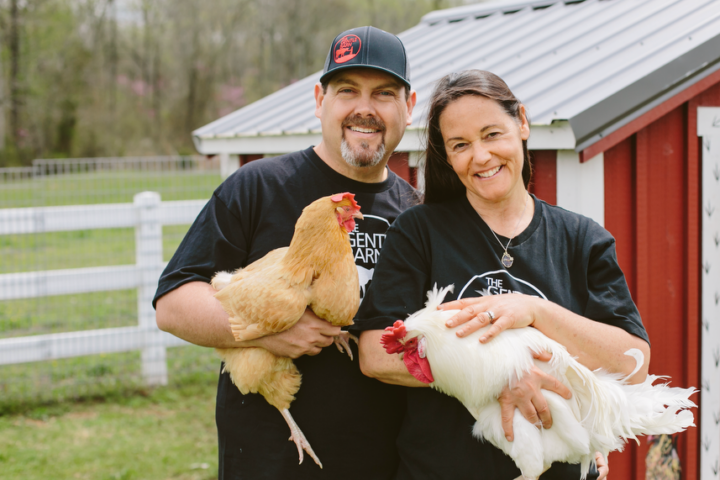
Cover image: The Gentle Barn, a US non-profit, celebrates 25 years of rescuing farm animals in 2024.
Source: https://www.latfusa.com/article/2024/08/gentle-barn-celebrates-25-years-of-rescuing-farm-animals
Have you ever heard of the concept of “animal welfare”? Do you know what it means? Well, the good news is you’ll learn all about it in today’s blog post.
Animal welfare means ensuring animals can live with full physical and mental health. In good welfare conditions, animals can explore their environment, express natural behaviors, and live free from pain and suffering.
Why Does Animal Welfare Matter?
Non-human animals are sentient, meaning they experience emotions like joy, pain, frustration, and grief. Most people recognize this when it comes to pets, but empathy often doesn’t extend to farm animals, wildlife, or animals in laboratories.
Science confirms that animals feel pain. A study in Veterinary Record found that chickens with painful leg conditions chose food with painkillers over regular feed, proving they actively seek relief. This condition, known as lameness, is widespread in factory farms, where rapid growth strains their bodies and causes chronic pain.
The evidence is clear: animals deserve humane treatment. But how do we measure welfare to ensure it’s applied in real life?
The Five Freedoms: A Framework for Animal Welfare
Developed in 1965 by Irish scientist Francis Brambell, the Five Freedoms outline the essential conditions for animal welfare:
- Freedom from thirst and hunger – Animals must have access to clean water and nutritious food.
- Freedom from discomfort – Animals should be protected from extreme weather, have enough space to move, and rest comfortably.
- Freedom from pain, injury, or disease – Preventive care, such as vaccinations and early treatment, is crucial.
- Freedom from fear and distress – Animals should not endure negative emotions like anxiety or grief. Gentle handling and humane treatment are key to protecting this freedom.
- Freedom to express natural behaviors – Animals must be able to engage in activities essential to their well-being, such as foraging, socializing, or nesting.
Now let’s dive deeper into how animal welfare is approached in different areas where humans use animals, such as animal testing, factory farming, and entertainment.
The Reality of Animal Testing
In 2021, Humane World released the animated short film “Save Ralph,” which tells the story of a rabbit used in laboratory experiments. The film depicts Ralph’s injuries, including blindness from chemical tests, and his desperate attempts to convince himself that his suffering is “normal.” The message is clear: that’s not okay.
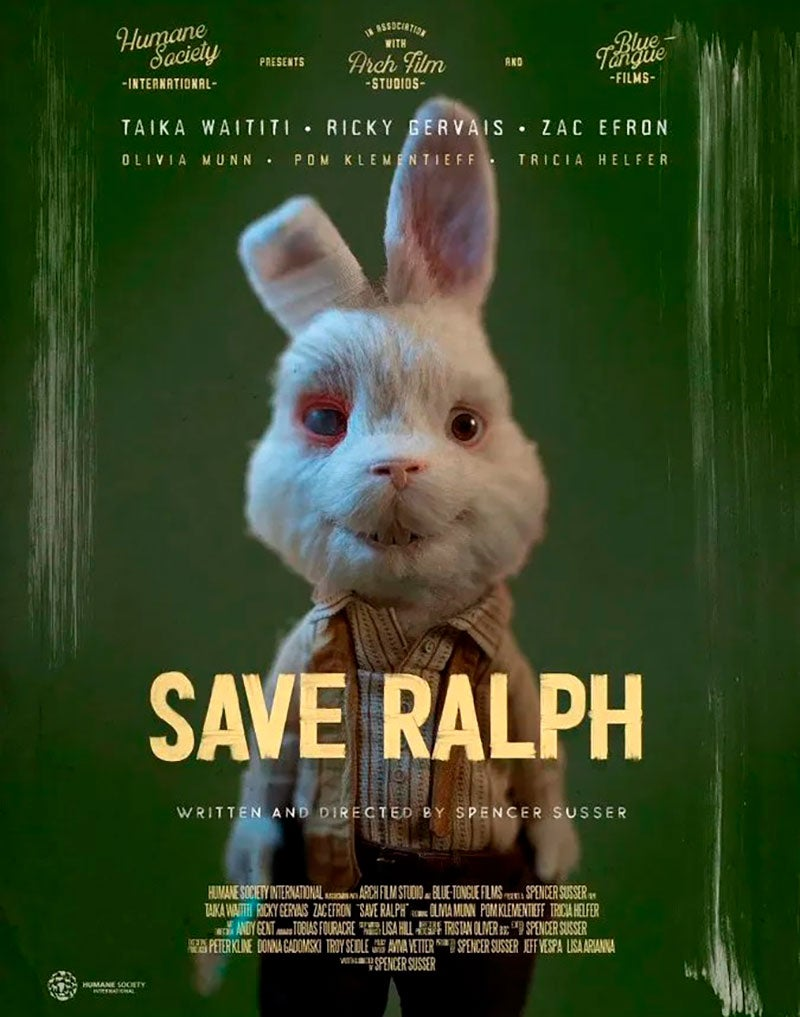 “Save Ralph”, a 2021 animated short film by Spencer Susser.
Source: https://en.wikipedia.org/wiki/Save_Ralph
Yet, every year, 190 million animals — including mice, monkeys, dogs, cats, rabbits, and horses — are used in labs worldwide. Many endure extreme pain, such as:
- LD50 tests, where animals are given doses of substances until half of them die, suffering from vomiting, paralysis, convulsions, and internal bleeding.
- Deliberate infection with diseases to observe potential symptoms in humans.
- Unanesthetized procedures, where animals are subjected to painful experiments without relief.
The Reality of Factory Farming
Factory farming, officially known as “concentrated animal feeding operations” (CAFOs), prioritizes profit over welfare. Animals are often subjected to inhumane slaughter methods, and in the dairy industry, mother cows are separated from their calves to maximize milk production. The system is designed to cut costs, and animal well-being is frequently an afterthought.
In 2022, nearly all animals raised for food in the United States — about 10 billion — were confined to factory farms. Globally, that number skyrockets to 83 billion land animals slaughtered annually, most of them chickens, ducks, and pigs. These staggering figures reveal the scale of an industry where animals are treated as products, not living beings.
The solution isn’t just reform — it’s a complete shift in how we raise animals. One of the most humane alternatives is organic farming, where animals are raised outdoors in protected environments. In these systems:
- Mother pigs and cows can stay with their calves after birth.
- Animals can move freely, feel sunlight, and walk on grass.
These changes aren’t just better for animals — they’re better for consumers, too. Organic farming often leads to healthier meat, dairy, and eggs, free from the antibiotics and chemicals commonly used in factory farms.
The Reality of Animals in Entertainment
There are over 10,000 zoos worldwide, housing roughly 700,000 animals — and the real number is likely even higher. Yet, most of these animals do not experience proper welfare.
Extreme cases, like the Khan Younis Zoo in Gaza, highlight the consequences of neglect. In 2019, animals starved during conflict, and the zoo displayed stuffed versions of the dead. Thankfully, Four Paws, a global animal welfare organization, rescued the survivors and relocated them to sanctuaries.
While starvation is an extreme example, boredom is a daily reality for many zoo animals. Captivity can be safer than the wild, but it’s often far less stimulating. That’s why environmental enrichment is crucial — puzzles, sensory activities, and varied feeding methods keep animals mentally and physically active. Even small changes, like adding plants to viewing areas, can reduce stress from constant human observation.
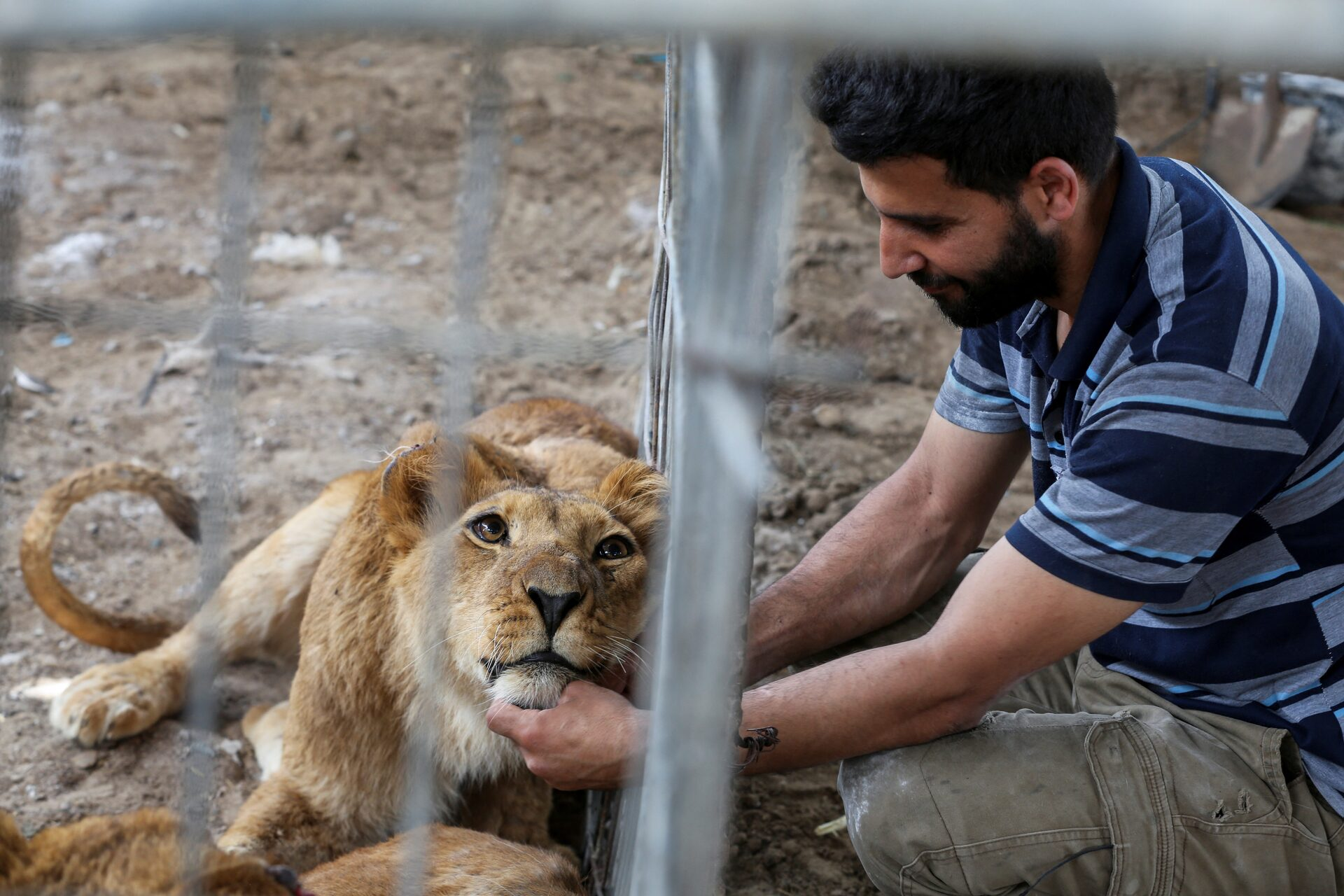 Gaza zoo animals evacuated amid war in 2024.
Source: https://www.reuters.com/pictures/pictures-gaza-zoo-animals-evacuated-amid-war-2024-05-21/
Why Isn’t Animal Welfare a Global Reality Yet?
- Many Animals Are Excluded from the Law
In the U.S., the Animal Welfare Act (AWA), established in 1966, still leaves out billions of animals. Mice, birds, farm animals, pets, and animals used for private entertainment are not protected under this law. This legal loophole leaves countless animals vulnerable to abuse. - Insufficient Law Enforcement
Even when laws exist, they only work if they’re enforced. The AWA requires inspections, but there aren’t enough resources or inspectors to oversee the huge number of facilities. This leads to infrequent and inconsistent inspections, making it easy for welfare standards to be ignored. - Not Enough Investment in Research and Development
Humane alternatives do exist. Factory farming could be replaced with organic and ethical systems, but widespread adoption requires more research, innovation, and global knowledge-sharing. Without investment, progress stalls. - Lack of Public Awareness
Many people don’t know what animals endure in labs, farms, and entertainment industries. When consumers remain unaware, companies face no pressure to change. But when people buy consciously and demand better, brands start listening.
Despite these challenges, activists, scientists, organizations, and institutions are fighting for animals every day. And the best part? You can be part of that change too.
5 Ways to Become an Animal Welfare Advocate
- Reduce Your Meat and Dairy Consumption
Every purchase sends a message. Buying less meat and dairy reduces demand for factory-farmed products, which are major sources of animal suffering. - Adopt, Don’t Shop
If you’re looking for a pet, adopt from shelters or sanctuaries. Older animals often wait years for a home. Reducing demand for pet-store puppies weakens puppy mills and exploitative breeding practices. - Buy Responsibly
Always check labels when shopping for makeup, shampoo, snacks, or household products. Avoid brands that test on animals and look for “vegan” labels, which guarantee no animal ingredients or testing. - Volunteer
Whether it’s helping at a local shelter or joining a remote internship, volunteering makes a real difference. It also connects you with the movement and keeps you informed. - Speak Out and Support Organizations
Use social media to follow and share content from NGOs, activists, and local initiatives. Join discussions, raise awareness, and amplify the voices of those fighting for animals.
Animal welfare isn’t just a distant dream — it’s a movement fueled by action. Every choice you make, from what you buy to how you advocate, shapes a kinder world for animals.
There is power to change things in your hands. Start today.
Works Cited:
https://thewoof.org/animal-welfare/what-is-animal-welfare-and-why-is-it-important
https://thehumaneleague.org/article/animal-welfare
https://pmc.ncbi.nlm.nih.gov/articles/PMC2034426/
https://awionline.org/content/inhumane-practices-factory-farms
https://thehumaneleague.org/article/factory-farming-animal-cruelty
https://www.humaneworld.org/en/news/farm-animal-welfare-science-research
https://pmc.ncbi.nlm.nih.gov/articles/PMC10931348
https://foodrevolution.org/blog/antibiotic-resistance-factory-farms/
https://www.bbc.com/future/article/20220429-the-climate-benefits-of-veganism-and-vegetarianism
https://www.nal.usda.gov/animal-health-and-welfare/animal-welfare-act
https://www.ufaw.org.uk/why-ufaws-work-is-important/zoo-animal-welfare
https://www.aza.org/connect-stories/stories/animal-welfare-in-aquariums
https://www.humaneworld.org/en/issues/animals-used-experiments-faq
https://today.yougov.com/society/articles/42696-american-support-strengthening-laws-animal-cruelty
https://replacinganimalresearch.org.uk/
https://www.lonestar.edu/stopanimaltesting.htm
https://www.bornfreeusa.org/campaigns/animals-in-captivity/circuses/
https://www.dogster.com/lifestyle/are-pigs-smarter-than-dogs
https://enviroliteracy.org/do-circuses-still-abuse-animals/
https://www.scientificamerican.com/article/does-humanity-have-to-eat-meat/
https://health.clevelandclinic.org/how-to-start-eating-vegetarian-for-better-heart-health