Pastels
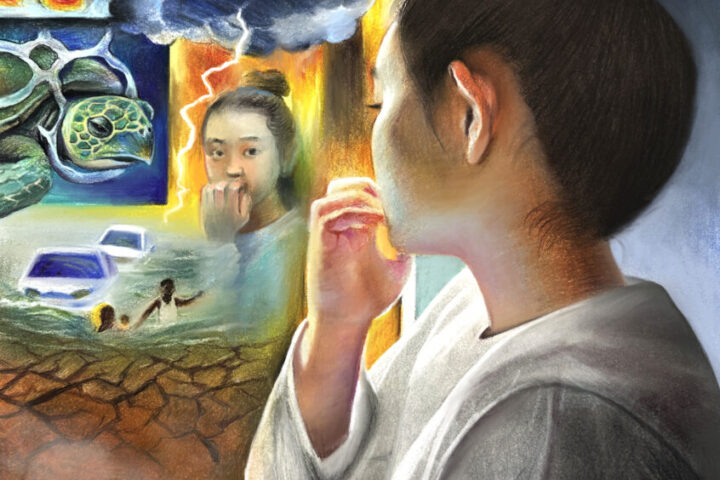
If you are looking for a drawing medium that is colorful yet less fine point than colored pencil, pastels might be your best choice. Just as charcoal can serve as a somewhat looser, more expressive, yet less detailed alternative to graphite, pastels can serve a similar role for chromatic drawing. However, in terms of their makeup and types, pastels encompass a very broad range. Whether you prefer drawing with hard mediums, softer ones, or even mediums with an oily base, there is a type of pastel for you. Take a look at the different types of pastels and how they could shape your next masterpiece!
Pros
- Vibrant color
- Immediate application with no need for drying
- Blendability
- Layering potential
- Wide range of pastel types
Cons
- Smudges easily and may require fixatives
- Messy
- Difficult to produce fine detail
- Generally requires rough surfaces to hold the medium
In essence
Pastels are a dry medium made of powdered pigment and binder, available in soft, hard, and oil-based forms. They offer vibrant, immediate color with a texture that can be blended or layered directly on the surface. Because they don’t require brushes or drying time, pastels allow for fast, expressive mark-making. However, they are fragile, smudge easily, and require fixative or framing under glass to preserve the work.
Guides
- How to Shade with PENCIL for BEGINNERS (only 1 pencil needed)
- BEGINNER’S Guide To GRAPHITE Pencils (full pencil set)
- Pencil Lead 101: Navigating the World of Graphite Hardness and Grades
- BEST WAYS TO BLEND GRAPHITE PENCILS
Tips and tricks
- When drawing with graphite, or any monochromatic medium, shadows are everything! If you can capture the shadows of your subject, you will capture its likeness quite well, even without intricate detail. You can practice this by squinting your eyes when looking at your drawing subject until your subject appears blurry. Draw the blurry shape of the shadows of your subject, ignoring detail, and then add details later, making use of your eraser for added texture and precision.
- Sketch lightly so you can adjust proportions or placement before committing to darker lines. This also makes erasing cleaner and easier.
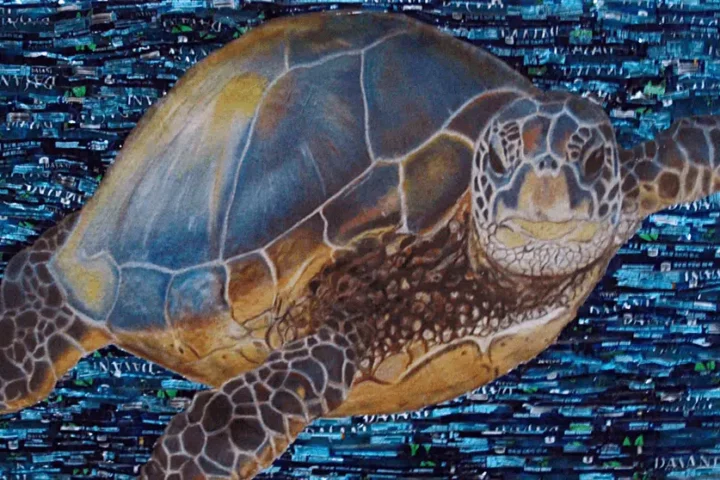
- Use a kneaded eraser! While this adds a new item to your shopping list, these erasers are very cheap and last for years. Unlike your typical pencil eraser, kneaded erasers can be shaped as needed to create intricate textures. You could create the tiniest point when adding specks of light to a turtle’s eye, or shape a wide edge for adding highlights to a wide kelp frond.
- Beware smudging! Use a piece of blank paper to rest your hand on to avoid smudging as you draw or keep your hands off your paper altogether. Some artists take rods or pieces of wood and set them up above their paper to brace their hands as they sketch.
- Use smoother paper for more detailed work. Keeping your pencils sharp is also crucial for high precision.