
Gouache
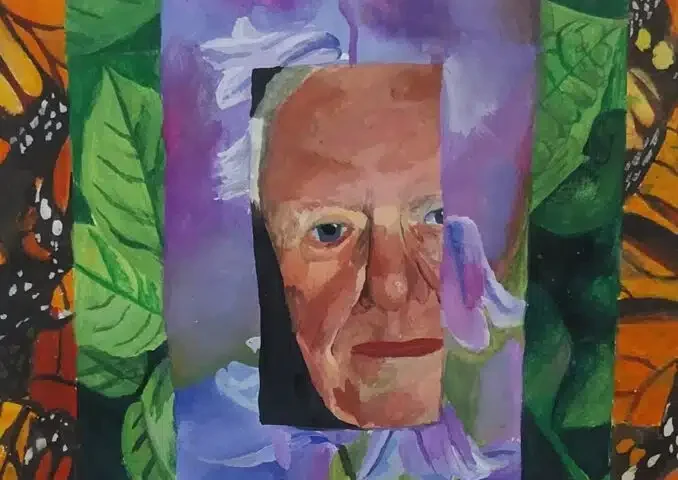
Gouache is an opaque, water-based paint that behaves somewhere between watercolor and acrylic. It’s known for its smooth, matte finish and ability to create flat, vibrant color fields. Gouache is often used for illustrations, posters, and design work, but it’s also useful for fine art and sketching. It can be reactivated with water even after drying, which makes it flexible but also delicate.
Pros
- Opaque and vibrant, even on toned or dark paper
- Dries quickly to a matte, velvety finish
- Mistakes can be corrected by layering or rewetting
- Easy to use in sketchbooks and portable setups
- Can be used thin like watercolor or thick like acrylic
Cons
- Can crack or lift if applied too thickly or overworked
- Reactivates with water, which can disturb previous layers
- Color often dries darker or lighter than it appears wet
- Requires some trial and error to get water-to-paint ratio right
- Not as durable or water-resistant as acrylic when dry
In essence
Gouache is made of pigment, water, and a binder (usually gum arabic), with added chalk or white pigment for opacity. It can be used straight from the tube for bold, flat coverage or diluted with water for softer washes. Unlike watercolor, it can cover light over dark, and unlike acrylic, it remains reworkable after drying. It’s often chosen by illustrators and designers for its strong color payoff and matte look in scans or photos.


Guides
Tips and Tricks
- Use a smooth, heavyweight paper or watercolor paper to prevent warping. Gouache can be applied in thick or thin layers, but too much water or paint on flimsy paper can cause buckling or texture issues. A paper weight of 200 gsm or more is recommended.
- Control your water-to-paint ratio carefully. Too much water will make the paint behave more like watercolor, while too little can make it chalky or cause brush drag. A creamy, milk-like consistency usually works well for even coverage.
- Let layers dry completely before painting on top. While gouache can be layered, it’s easy to accidentally reactivate the layer beneath if it’s still damp. To avoid muddying colors, work in stages and keep your brush relatively dry for touch-up work.
- Clean your brush often during painting sessions. Since gouache dries quickly, it can harden in the bristles. Rinse brushes thoroughly and reshape them while damp to extend their lifespan.
- Store finished work carefully or seal it if needed. Dried gouache remains water-soluble and can be smudged or reactivated by moisture. If the painting will be handled or displayed, you may want to frame it behind glass or use a spray fixative designed for gouache.