
Paper Collage
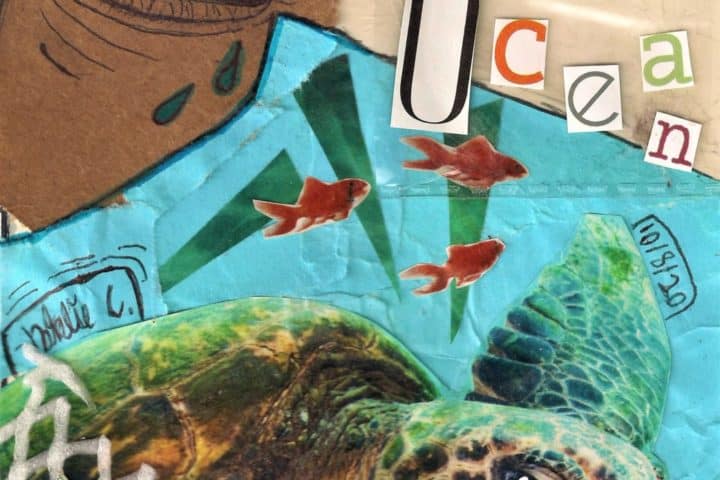
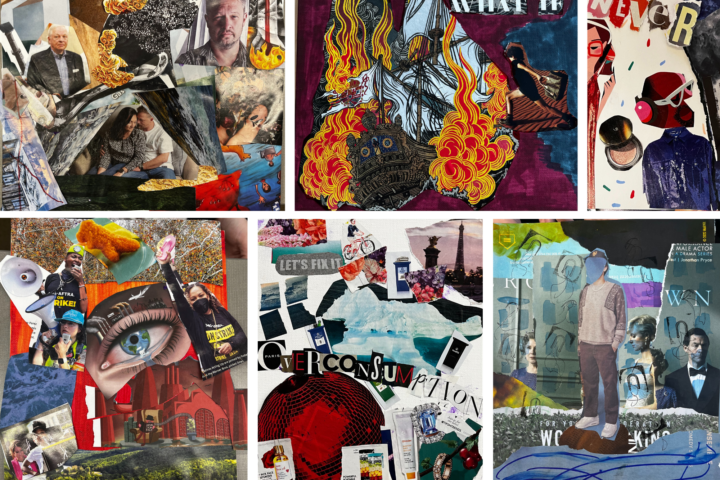
Paper collage is the art of cutting, tearing, and layering different types of paper to form a new image or scene. Artists may use magazines, newspapers, patterned or painted papers, or even recycled scraps, arranging them to create contrasts of texture, color, and shape. Collage can be used for abstract designs, representational images, or as part of mixed-media pieces.
Pros
- Inexpensive and accessible—can be made with everyday or recycled materials
- Wide variety of colors, textures, and finishes available
- Works well alone or combined with other media (paint, ink, fabric)
- Easy to experiment with composition by rearranging pieces before gluing
- Minimal tools required
Cons
- Paper can wrinkle or warp if adhesive isn’t applied evenly
- Non-archival glues may yellow or weaken over time
- Overlapping too many elements can look cluttered or heavy
- Storing or transporting larger works can be challenging
In essence
Paper collage is about constructing images through accumulation rather than single strokes. Collages can differ both by the paper type used and by how the paper is combined. By choosing papers that vary in texture, tone, or imagery but still hold together as a composition, new images and color combinations create something entirely new. Because each piece of paper already carries visual information, from color to fully-rendered images, collage can recontextualize the pieces that form it and form new relationships between them.
Guides
Tips and tricks
- Select papers with a variety of textures, patterns, and colors to keep the work dynamic. Preparing your own painted or stained papers can add originality.
- Try several arrangements before gluing pieces down. Photographing test layouts can help you compare designs and commit to the strongest one.
- Spread adhesive evenly across each piece, and press flat with a brayer or ruler to avoid wrinkles and bubbles.
- Build from background to foreground, placing larger base shapes first and layering smaller or more detailed pieces on top for depth.
- Seal the collage with a clear medium once finished to unify the surface and protect it from moisture, fading, and dust.