
Ink
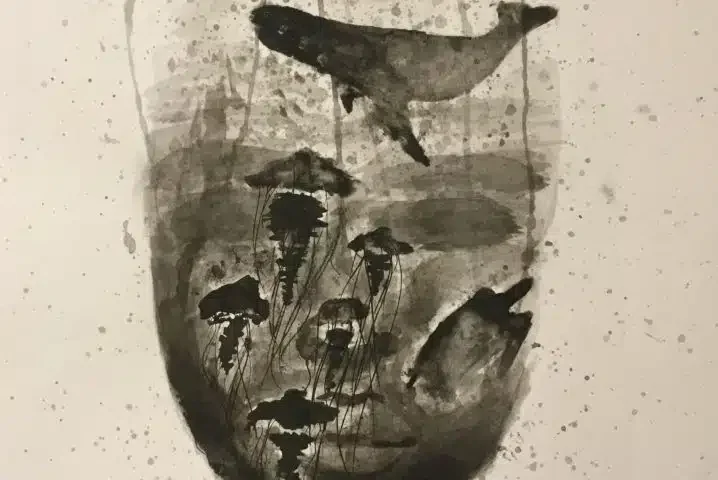
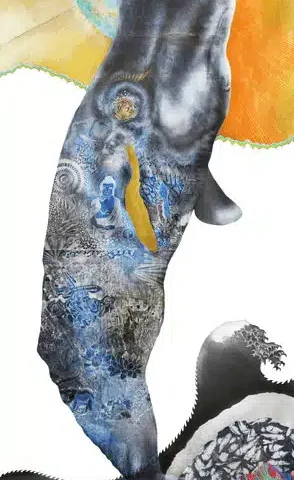
Ink painting uses liquid ink and brushes to create both bold lines and subtle washes. It is commonly associated with East Asian art (like sumi-e or Chinese brush painting) but is also widely used in illustration and fine art. This medium allows for control, speed, and fluidity. Mistakes can’t be erased, so planning ahead is important.
Pros
- Strong contrast and crisp lines
- Can be used for both detailed line work and fluid washes
- Dries quickly
- Works well with other media (e.g., watercolor, pencil)
- Wide range of textures and effects with simple tools
Cons
- Mistakes are permanent
- Requires confident brush control
- Can bleed or feather on the wrong paper
- Stains easily (hands, clothes, surfaces)
- Not ideal for layering multiple colors unless carefully planned
In essence
Ink painting involves using brushes dipped in ink (either black or colored) to create images on absorbent paper. Artists dilute the ink with water to create lighter tones and build up shadows and depth gradually. A variety of brushes, ink types, and techniques can produce different textures—from smooth gradients to dry brush effects. Paper choice plays a big role in how the ink behaves.

Guides
Tips and Tricks
- Use the right paper. Watercolor or rice paper works best. Avoid regular printer paper since it will bleed.
- Test your dilution first since it could be too strong. It may be a good idea to practice mixing ink and water to get the tone you want before applying it to your main piece. A small amount of concentrated ink can go a long way!
- Start light. Build from lighter washes to darker ones. It’s easier to add than to take away, but you can also use blotting to fix mistakes if you need to. While you can’t erase, you can sometimes lift excess ink with a paper towel if done quickly.
- Clean your tools immediately. Ink can dry and stain brushes if not cleaned right away, and the same goes for your workspace, clothing, and evn hands. Use scrap paper or a washable surface underneath your artwork to catch spills or drips.
- Let layers dry before adding more. Ink reactivates with water unless waterproof, so drying time matters! Ink may dry relatively quickly, but patience is still crucial.